Total: $0.00
Taxes and shipping calculated at checkout


Time to shop! Find your favorite product, check the latest collection & don’t miss out the best discounts!


Styling your hair shouldn’t come at the cost of its health. Many people assume products labeled ‘organic’ are safe and effective, but misleading marketing and unregulated claims leave consumers confused about which techniques truly protect their hair. This guide cuts through the noise to show you how to identify authentic organic products, prepare your hair properly, and implement styling methods that enhance natural beauty without causing damage.
| Point | Details |
|---|---|
| Organic claims lack regulation | The FDA does not regulate ‘organic’ labeling for hair products, allowing misleading marketing practices. |
| Preparation prevents damage | Clean, hydrated hair and gentle handling create the foundation for successful organic styling. |
| Certification ensures authenticity | USDA organic certification requires 95% certified organic ingredients, guaranteeing product integrity. |
| Protective practices matter | Avoiding tight hairstyles and mechanical stress prevents traction alopecia and edge thinning. |
The beauty industry throws around ‘organic’ like confetti, but what does it actually mean for your hair? The term ‘organic’ in hair dye is not regulated by the FDA, which creates a playground for marketing teams to slap the label on products that barely qualify. Without oversight, brands can call nearly anything ‘organic’ and hope you won’t look closer.
Authentic organic certification requires serious commitment. To earn a USDA organic seal, 95% of ingredients must be certified organic, meaning they’re grown without synthetic pesticides, fertilizers, or genetically modified organisms. This standard applies to cosmetics and hair products, creating a reliable benchmark you can trust.
Here’s where it gets tricky: most traditional hair styling products cannot meet organic standards. Synthetic dyes, chemical straighteners, and conventional styling agents don’t qualify as organic ingredients, no matter how much plant extract gets added to the formula. When you see ‘organic’ on a box of permanent hair color, dig deeper into what’s actually certified versus what’s marketing spin.
Understanding organic vs natural hair products helps you make smarter choices. Natural ingredients come from plants or minerals but aren’t necessarily organic, they could still be grown with pesticides or processed with harsh chemicals. Organic ingredients meet stricter cultivation and processing standards.
Pro Tip: Look for third party certification seals like USDA Organic, Ecocert, or COSMOS on product packaging rather than trusting front label claims alone.
When shopping for organic styling products, prioritize these verification steps:
True organic hair care starts with understanding that certification matters more than marketing. The USDA organic seal represents a verified commitment to ingredient purity and sustainable sourcing that protects both your hair and the environment.
Your styling results depend heavily on preparation. Think of your hair like a canvas, the cleaner and better primed it is, the better your final look will hold and the healthier your hair will remain. Start with a clean, balanced scalp that isn’t weighed down by product buildup or stripped by harsh detergents.
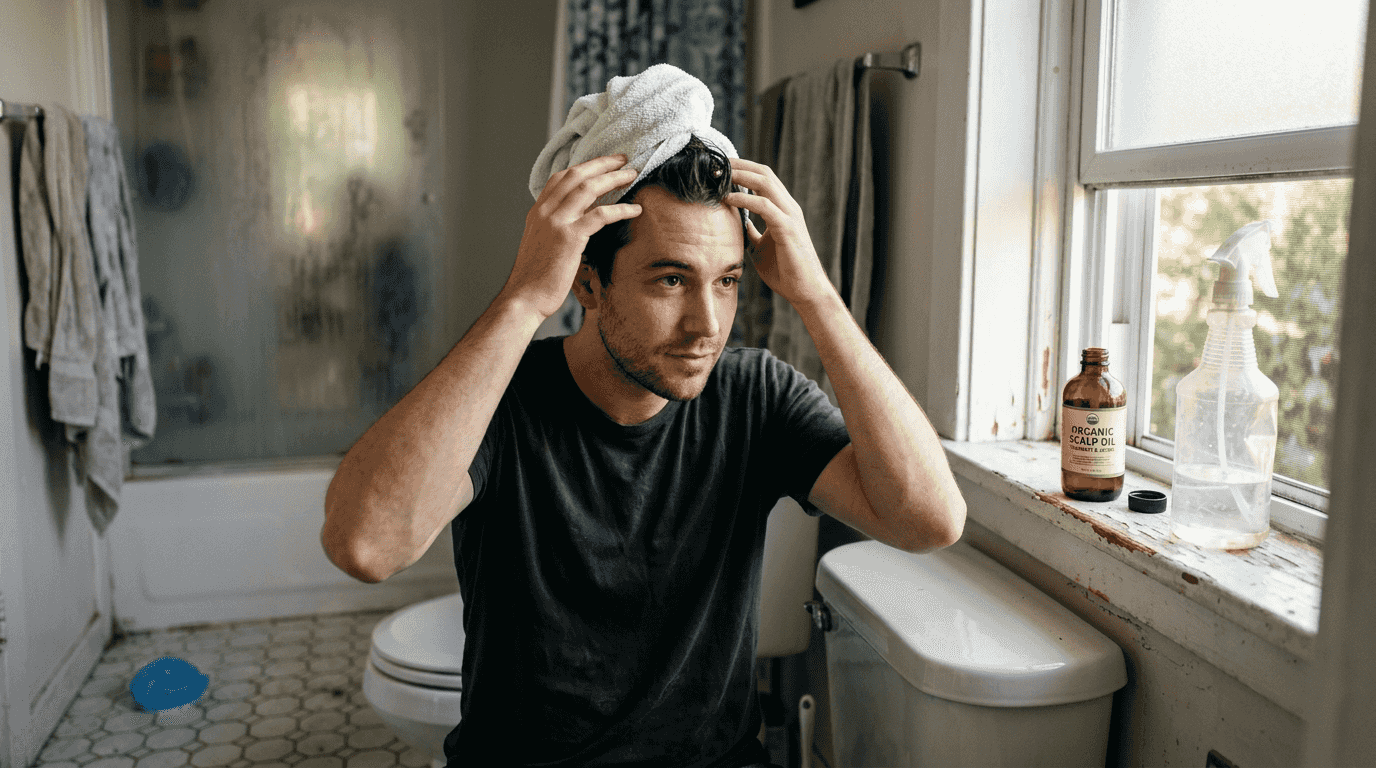
Gentle organic shampoos and conditioners form the foundation. These formulations cleanse without sulfates that strip natural oils, and they hydrate without silicones that create false smoothness while preventing moisture absorption. Your hair needs genuine hydration, not temporary cosmetic fixes that mask underlying dryness.
Follow this preparation sequence for optimal results:
Mechanical damage destroys more hair than most chemical processes. Traction alopecia results from tight hairstyles causing follicle damage, a condition that’s entirely preventable with mindful styling choices. Pulling hair into tight ponytails, braids, or buns every day stresses follicles until they weaken and stop producing healthy strands.
Your edges are particularly vulnerable. These delicate hairs along your hairline experience the most tension during styling and show damage first through thinning and breakage. Protecting them requires rotating styles, avoiding excessive pulling, and giving your hair regular breaks from any manipulation.
Pro Tip: Implement an organic hair care routine checklist to maintain consistency and track which preparation methods work best for your hair type.
Scalp health directly impacts styling success. Massage your scalp for 3 to 5 minutes during shampooing to stimulate blood flow to follicles. This simple practice promotes healthier hair growth and helps organic products penetrate more effectively. Healthy follicles produce stronger, more resilient hair that handles styling better and maintains its integrity longer.
Organic styling succeeds through technique rather than heavy product use. Your approach matters more than the volume of products you apply. Start with properly prepared hair, then build your style using minimal, high quality organic formulations that enhance rather than mask your hair’s natural texture.
Here’s your foundational styling process:
Heat styling requires special caution. When you must use heat, apply an organic heat protectant first and keep tools on the lowest effective temperature. Most hair types don’t need temperatures above 350°F, excessive heat damages the cuticle and causes moisture loss that no organic conditioner can fully reverse.
Most hair color products contain synthetic dyes and chemical agents that cannot be certified organic, which limits your options for dramatic color changes while staying truly organic. Plant based dyes like henna, indigo, and cassia offer color enhancement without synthetic chemicals, though they work differently than conventional dyes and require realistic expectations.
Protective styling extends your results while minimizing daily manipulation. Loose braids, twists, or buns that don’t pull on your hairline allow your hair to rest between styling sessions. These styles work best when you:
Pro Tip: Layer organic products from lightest to heaviest, start with water based leave ins, add creams for hold, and finish with oils to seal moisture.
| Styling Method | Organic Product Type | Best For | Application Frequency |
|---|---|---|---|
| Air drying | Leave in conditioner | All hair types | Daily |
| Low heat styling | Heat protectant serum | Occasional styling | As needed |
| Wet setting | Styling foam or gel | Curly or wavy hair | 2 to 3 times weekly |
| Protective styles | Oil blend | Long term protection | Weekly maintenance |
Exploring organic hair care benefits reveals why these methods work better long term than conventional approaches. Organic ingredients nourish hair at a cellular level rather than creating temporary cosmetic improvements that wash away. This fundamental difference means your hair actually becomes healthier with continued organic care, not just shinier for a few days.
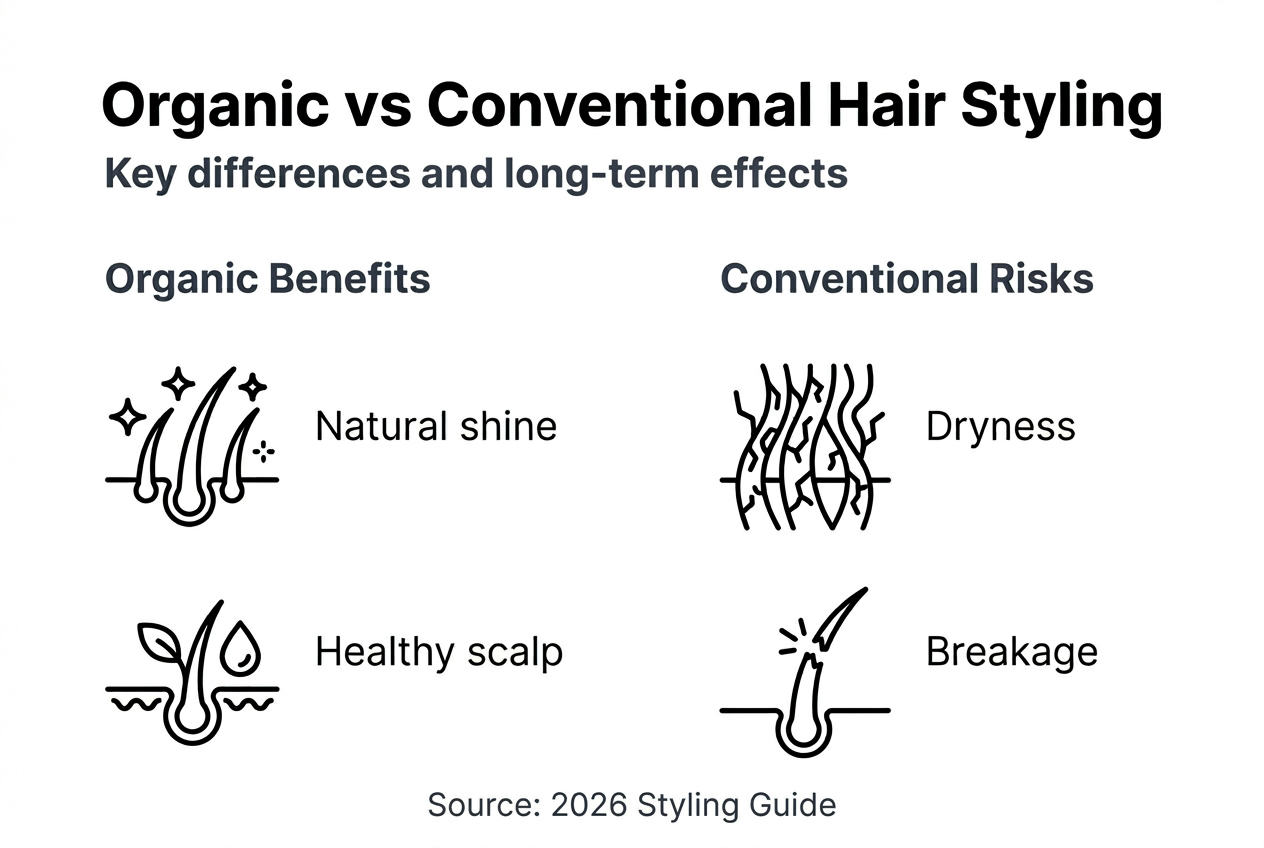
Even with careful organic styling, problems can emerge. Recognizing issues early prevents minor concerns from becoming major damage. Thinning edges, unusual shedding, or changes in hair texture signal that something in your routine needs adjustment.
Traction related hair loss shows specific warning signs. If you notice small bumps along your hairline, soreness after removing hairstyles, or gradually receding edges, your styling methods are too harsh. Mechanical damage and health related changes contribute to thinning edges, making it essential to address both external styling practices and internal health factors.
Correct these damaging patterns immediately:
Style rotation preserves follicle health. Wearing the same hairstyle repeatedly, even a gentle one, stresses the same hair shafts and follicles constantly. Alternate between updos, down styles, and protective options throughout the week. This variation distributes mechanical stress across different areas and gives vulnerable spots time to recover.
Pro Tip: Photograph your hairline monthly to track subtle changes that are hard to notice day to day, this early detection system helps you catch problems before they become obvious.
Nutritional deficiencies undermine even the best organic hair care routine. Your hair needs adequate protein, iron, biotin, and omega 3 fatty acids to grow strong and resilient. If your diet lacks these nutrients, your hair will show it through increased shedding, slow growth, or brittle texture that breaks easily despite gentle organic care.
Strengthening treatments support recovery. Look for organic protein treatments with ingredients like hydrolyzed quinoa, rice protein, or silk amino acids. Apply these treatments every 2 to 4 weeks depending on your hair’s protein needs, too much protein makes hair stiff and brittle, while too little leaves it weak and stretchy.
Maintaining results requires consistency with a proven routine. Following a healthy hair routine checklist keeps you accountable to practices that work. Track which products and techniques deliver the best results for your specific hair type, then build your permanent routine around those winners.
Putting these organic styling techniques into practice becomes easier with the right products. ManadelcielobyNashaly specializes in certified organic formulations that support every step of your hair care journey, from cleansing to styling to treatment.
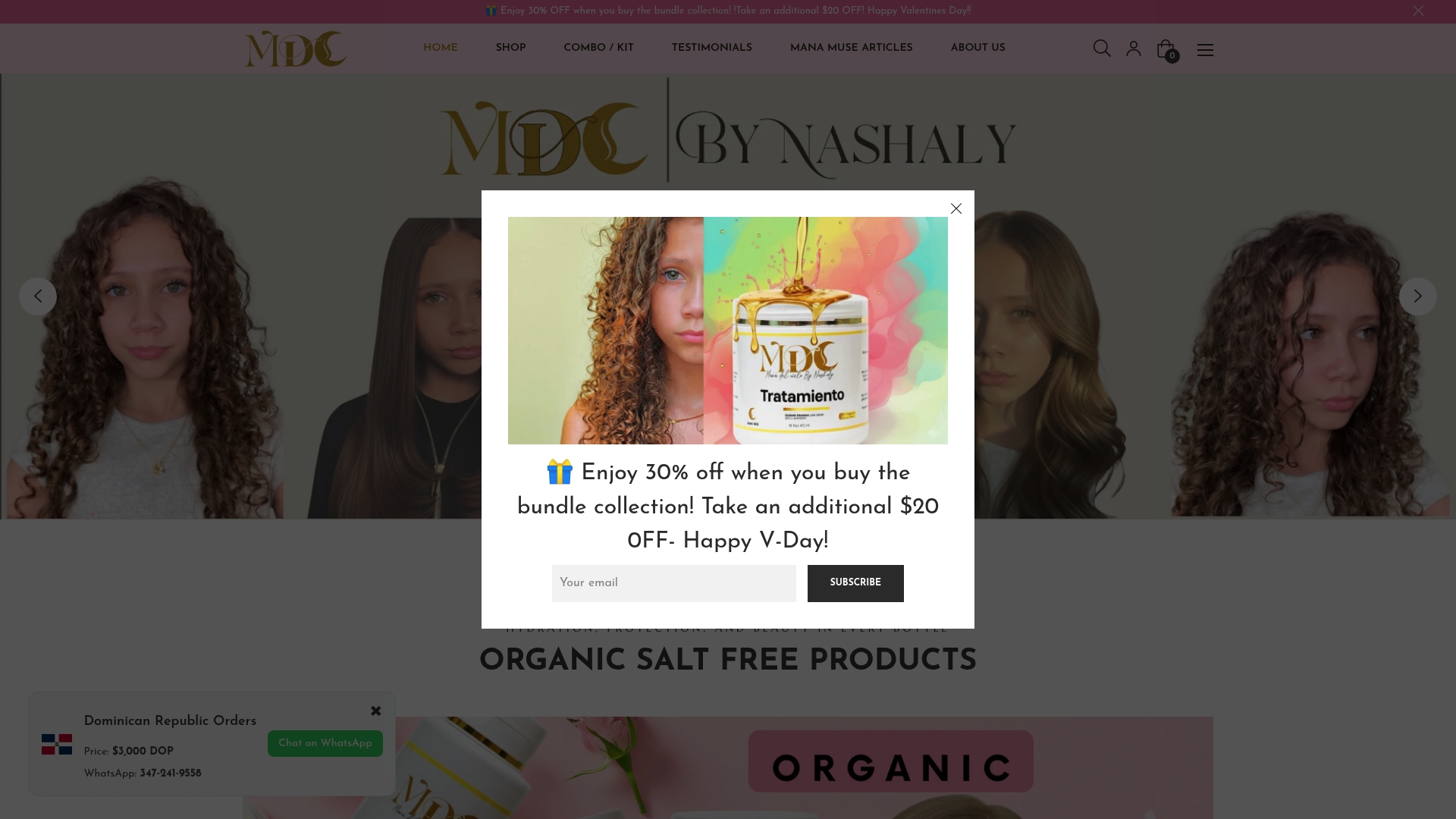
Their hydrating shampoo cleanses without stripping, providing the clean canvas your organic styling needs. Free of salt, parabens, sulfates, and silicone, it delivers genuine hydration that prepares hair for healthier styling outcomes. Pair it with the hydrating shampoo & conditioner set for a complete cleansing and conditioning system that works together.
When your hair needs extra support, the repairing hair treatment delivers intensive restoration. This treatment strengthens damaged strands and supports the follicle health necessary for maintaining strong edges and preventing traction related thinning.
These products translate the organic styling principles in this guide into practical daily care. They provide the certified organic ingredients, gentle formulations, and effective results that make healthy organic styling achievable rather than aspirational.
Authentic organic hair products contain at least 95% certified organic ingredients verified by organizations like USDA, Ecocert, or COSMOS. These certifications require ingredients grown without synthetic pesticides, processed without harsh chemicals, and formulated without prohibited substances. Simply labeling a product ‘organic’ without third party certification means nothing since the FDA doesn’t regulate this term for cosmetics.
Natural products contain plant or mineral derived ingredients but face no restrictions on farming practices or processing methods. Organic products must meet strict cultivation standards, avoiding synthetic pesticides and GMOs throughout the entire supply chain. A product can be natural but not organic if its botanical ingredients were conventionally grown, while organic products are always natural by default since certification prohibits synthetic ingredients.
Yes, chronic tension from tight styles causes traction alopecia, a condition where repeated pulling damages hair follicles until they stop producing new hair. The damage accumulates gradually, making it easy to miss until thinning becomes obvious. Early intervention by switching to looser styles can allow follicles to recover, but severely damaged follicles may never regrow hair, making prevention critical.
Look for certification seals directly on product packaging from recognized organizations like USDA Organic, Ecocert, COSMOS, or Soil Association. Read the ingredient list to confirm that certified organic ingredients appear prominently rather than just as minor additions. Research the brand’s commitment to organic practices beyond individual products. Avoid trusting vague marketing language like ‘made with organic ingredients’ without accompanying certification.
Rotate your styling approach every 2 to 3 days to avoid repetitive stress on the same hair shafts and follicles. This doesn’t mean completely different styles daily, just alternating between different tension points and manipulation patterns. For example, switch between loose styles, protective updos with minimal tension, and down styles throughout the week. Give your hair at least one day weekly with absolutely no styling manipulation.
WhatsApp: 347-241-9558


 USD
USD EUR
EUR
 AUD
AUD
 GBP
GBP
 JPY
JPY
 INR
INR