Total: $0.00
Taxes and shipping calculated at checkout


Time to shop! Find your favorite product, check the latest collection & don’t miss out the best discounts!


Sorting through hair care labels can quickly become confusing, especially if you want clean beauty without synthetic chemicals. For women who demand true transparency, learning the real difference between “organic” and “natural” matters more than ever. The term “organic” is legally defined and certified by organizations like the USDA, while “natural” can mean almost anything. Understanding the standards behind these ingredients gives you the power to choose products that are truly safer for your scalp, your health, and the environment.
| Point | Details |
|---|---|
| Organic vs. Natural | Organic products are regulated and certified, while natural products lack legal definitions and oversight. |
| Sourcing and Processing | Organic ingredients follow strict sourcing practices, guaranteeing minimal chemical exposure compared to natural alternatives. |
| Health and Environmental Impact | Organic products reduce health risks by avoiding synthetic chemicals and support sustainable farming practices. |
| Labeling Awareness | Look for certification marks like USDA Organic to ensure product authenticity, as natural claims can be misleading. |
The terms “organic” and “natural” get thrown around in hair care marketing like they’re interchangeable. They’re not. Understanding the difference matters if you want to make informed choices about what touches your scalp and hair.
Organic has a legal definition. Natural doesn’t.
The key distinction starts here: the “organic” label is regulated by the USDA through the National Organic Program, which sets strict certification standards. The term “natural,” on the other hand, has no formal legal definition or regulatory oversight. This creates a massive gap between marketing claims and reality.
When you see “organic” on a hair product label, it means someone verified the ingredients met USDA standards. When you see “natural,” it could mean almost anything—or nothing at all.
Organic hair products must meet specific criteria:
This certification process exists for consumer protection. It’s your assurance that what’s on the label actually matches what’s in the bottle.
Natural ingredients come straight from nature but require less stringent oversight. The difference? Processing standards vary wildly:
All three technically come from nature. The processing route determines how “natural” they actually remain.
A product labeled “natural” might contain ingredients extracted using harsh chemicals, while an organic product guarantees cleaner sourcing and processing standards.
This matters for your hair because ingredients of natural origin might be processed in ways that strip some benefits or introduce unwanted byproducts.
Your hair responds to ingredient quality, not just origin. An organic ingredient sourced responsibly and processed carefully delivers different results than a chemical-heavy version of the same plant extract.
For health-conscious women avoiding synthetic chemicals, organic certification provides transparency. You know the farming practices meet standards. You know processing followed guidelines. You’re not guessing.
Pro tip: Check for third-party certification symbols on labels—look for USDA Organic, COSMOS, or Ecocert marks to verify claims before purchasing.
Where your hair care ingredients come from and how they’re processed directly impacts their effectiveness and safety. Organic and natural products follow vastly different sourcing rules, and understanding these differences helps you choose products that actually deliver results.
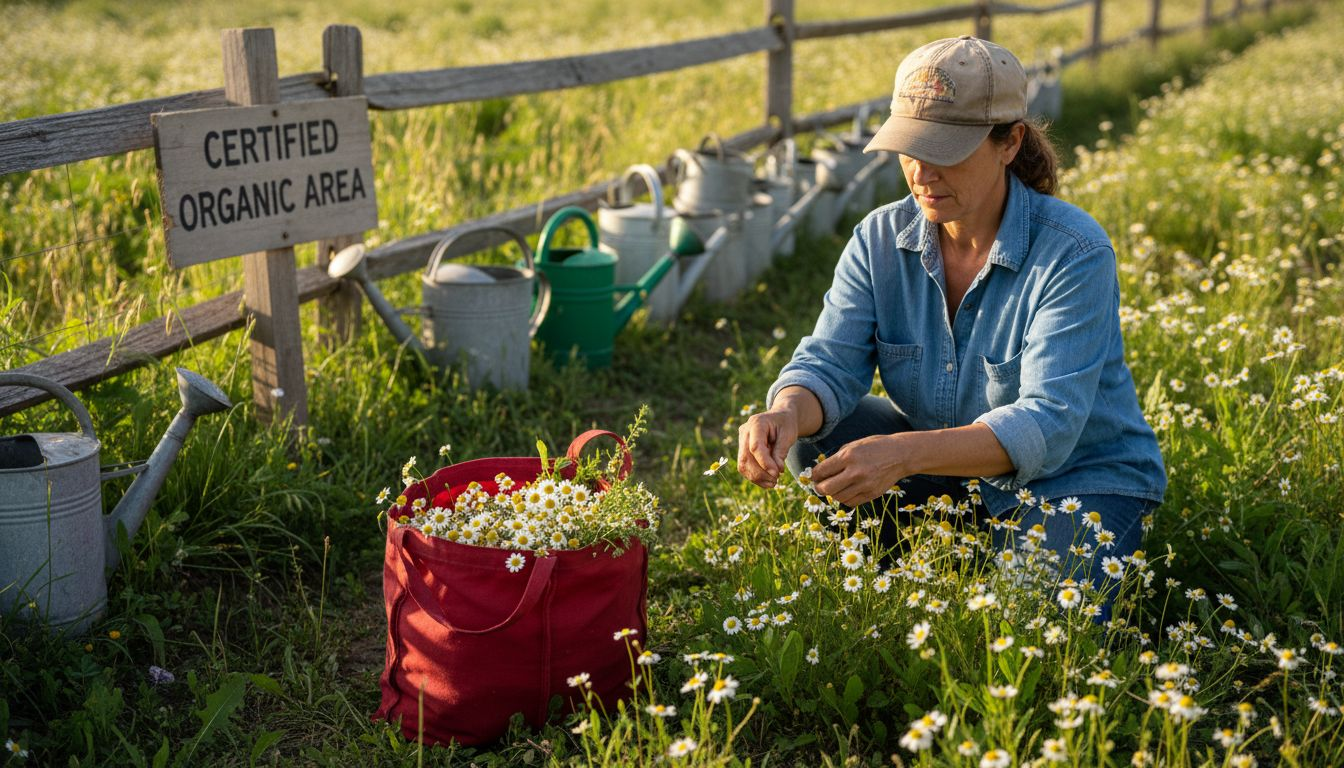
Organic ingredients follow strict verification protocols. Natural ingredients? Not so much.
Organic certification requires adherence to standards like NSF/ANSI 305, which mandate minimum organic content and compliance with specific production practices. This means every step—from seed to harvest to processing—gets documented and verified.
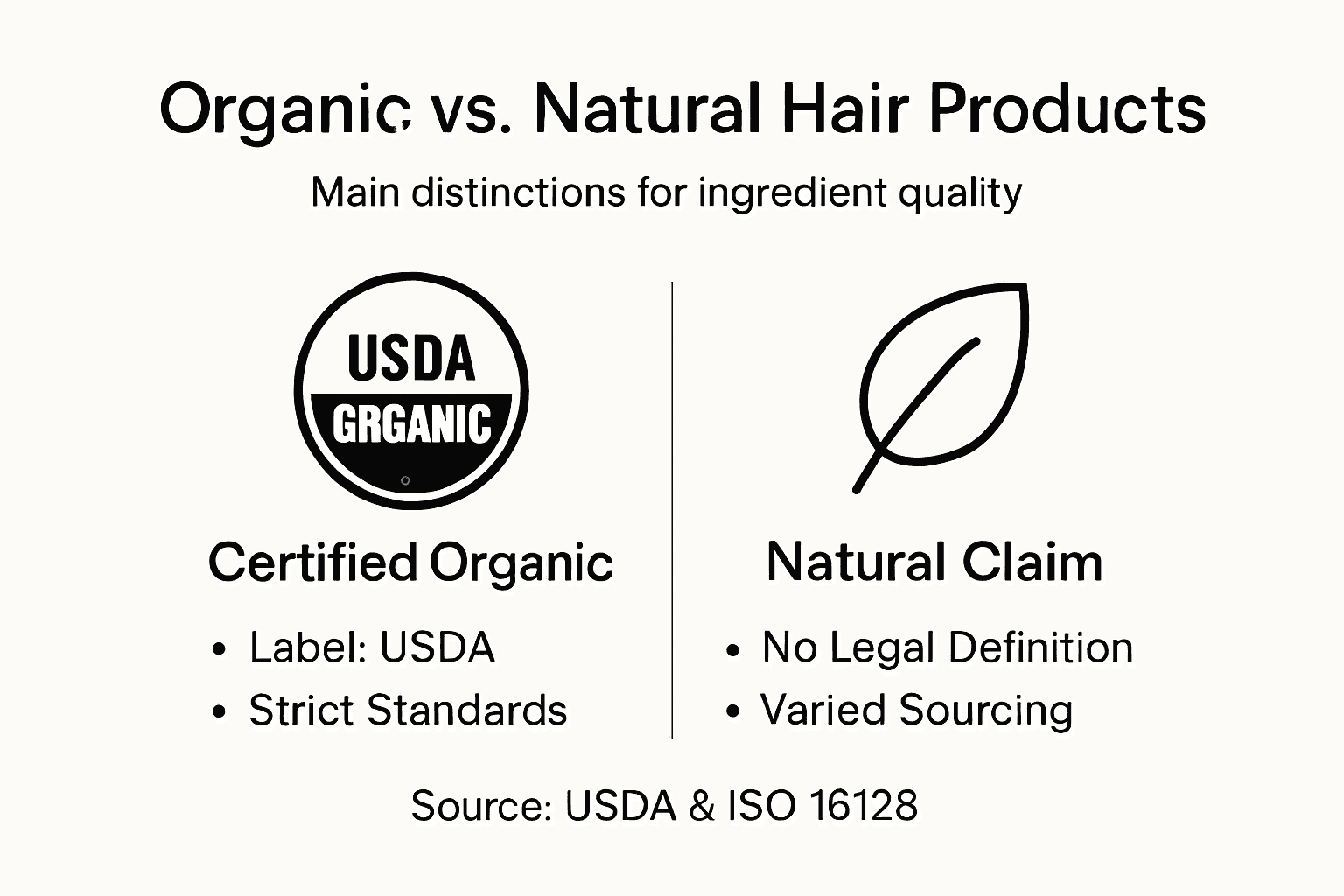
Natural products lack this oversight. A shampoo labeled “natural” might use ingredients sourced anywhere with minimal documentation.
Key differences in certification:
This distinction matters because certification creates accountability.
Here’s a quick comparison of how organic and natural hair product certifications differ:
| Aspect | Organic Certification | Natural Claim |
|---|---|---|
| Oversight | Third-party audits | Self-declared by brand |
| Labeling Requirements | Legally regulated labels | No legal standards |
| Ingredient Sources | Verified natural origins | May include synthetics |
| Consumer Protection | Guarantee of standards | No guaranteed standards |
Organic sourcing demands sustainable, transparent practices. The COSMOS-standard sets unified criteria for certifying natural and organic cosmetics globally, requiring sustainable sourcing, minimal environmental impact production, and complete transparency.
Organic farmers follow specific guidelines:
Natural ingredient sourcing has no such mandates. Suppliers can harvest from anywhere using conventional farming methods.
How ingredients get processed separates truly organic products from imposters. Organic processing prohibits most synthetic chemicals, while natural ingredient processing allows significant chemical intervention.
Organic processing limits include:
Natural processing faces no such restrictions. A natural oil might be extracted using industrial solvents that leave residues.
Organic certification guarantees that every ingredient meets sourcing and processing standards you can verify, while natural claims provide no such assurance.
For your hair, this means organic products contain ingredients processed to minimize chemical exposure while maximizing nutrient retention.
Pro tip: _Request certification documents from brands if they claim organic status—legitimate companies happily provide proof of their COSMOS or NSF certification.
Labels tell a story, but only if you know how to read them. The difference between organic and natural labeling comes down to regulation—one has teeth, the other doesn’t.
Organic labeling is legally binding. Natural labeling is mostly marketing.
Organic cosmetics must comply with USDA organic labeling standards and FDA cosmetic safety regulations simultaneously. This dual requirement means organic hair products meet both ingredient standards and safety protocols.
USDa allows specific labeling terms for organic products:
Each tier carries legal consequences for false claims. Brands get audited regularly.
Natural claims lack standardized legal definitions. This creates massive confusion in the marketplace. A product labeled “natural” might contain synthetic chemicals alongside plant extracts.
Without regulation, brands define “natural” however they want:
This flexibility benefits manufacturers, not consumers.
International technical definitions guide certification practices through ISO 16128-1:2016, establishing consistent criteria for natural and organic ingredients globally. This standard provides science-based benchmarks but doesn’t regulate labeling claims directly.
ISO standards help certifiers verify ingredients consistently. They don’t stop misleading labels.
Look beyond marketing language. Search for these certification marks:
No certification mark? The “organic” or “natural” claim is questionable.
Organic labeling carries legal liability for brands, while natural labeling carries almost none—this difference alone reveals which claims you can trust.
For your hair care routine, certified organic products offer transparency. Natural products offer only promises.
Pro tip: _Scan product labels for third-party certification logos in the small print—if they’re missing, skip the product regardless of what the front claims.
Your choice between organic and natural hair products affects three things: your scalp health, the planet, and whether your hair actually improves. These impacts are real and measurable.
Organic hair products eliminate synthetic pesticides and GMOs from your routine, reducing exposure to chemicals linked to scalp irritation and allergic reactions. Natural products offer no such guarantee because they lack oversight.
Organic formulations avoid common culprits:
Your scalp absorbs what you apply. Organic certification means what goes on your head has been verified safe.
Organic farming reduces chemical runoff and improves soil health, benefiting ecosystems worldwide. Conventional farming for natural ingredients uses pesticides that contaminate groundwater and harm wildlife.
When you choose organic:
Natural products from conventional farms don’t deliver these benefits.
The table below outlines how organic and natural choices impact hair and the environment:
| Impact Area | Organic Products | Natural Products |
|---|---|---|
| Health Risks | Lower chemical exposure | Potential synthetic toxins |
| Environmental | Supports sustainable farming | Allows pesticide runoff |
| Hair Results | Less buildup, improved health | Possible buildup, variable |
| Cost Factor | Generally higher price | Often lower, less control |
Organic products work differently than conventional ones. Without synthetic fillers and stabilizers, they rely on ingredient quality and formulation skill. This means results vary more—but when they work, they work better.
Key efficacy differences:
Organic products deliver lasting results because they address root causes, not symptoms.
Organic products protect your health, reduce environmental damage, and deliver genuine efficacy—natural products promise one or none of these guarantees.
For your hair specifically, organic means no chemical buildup over time. Your hair adapts and thrives rather than becoming dependent on synthetic coating agents.
Pro tip: _Give organic products at least two weeks before judging results—your hair needs time to adjust after years of synthetic conditioning, but the payoff arrives quickly after that transition period.
Marketing language preys on assumptions. Brands know most shoppers won’t read fine print, so they exploit the gap between what you think labels mean and what they actually say.
Here’s where most people get confused.
The biggest myth is that natural means organic or inherently safer, but reality tells a different story. Natural products remain largely unregulated, allowing misleading claims on labels. Arsenic is natural. So is mercury. The word “natural” tells you nothing about safety.
This misconception costs money and damages hair:
“Natural” marketing creates false peace of mind.
This phrase appears everywhere and fools everyone. “Made with organic ingredients” sounds like full organic certification. It’s not.
Here’s what it actually means:
A shampoo can be “made with organic” coconut oil while using synthetic sulfates as the main cleanser.
Misinterpretation of terms like “organic” and “made with organic ingredients” is widespread because marketing language intentionally blurs these distinctions. Consumers assume partial organic status equals full organic benefits, which doesn’t happen.
These mistakes happen constantly:
Your eyes read marketing. The ingredient list tells truth.
Ignore the marketing language entirely. Focus on three things:
If these three elements don’t align, the product is misrepresented.
Marketing language intentionally confuses consumers, but certification marks and ingredient lists never lie—these are your truth sources.
For urban, health-conscious women like you, understanding sustainable hair products helps you move beyond marketing myths.
Pro tip: When shopping, take photos of certification logos and ingredient lists with your phone, then research them at home—don’t rely on in-store marketing or salesperson claims.
Understanding the difference between organic and natural hair products matters because your scalp and hair deserve honesty and quality. If you want to avoid synthetic chemicals like parabens and sulfates while deeply hydrating your hair for better growth and shine choose organic products with verified certification. This protects your hair from harmful additives and ensures the ingredients come from responsibly sourced plants processed without harsh chemicals.
Discover our range of All Products – ManadelcielobyNashaly that are free of salt parabens sulfates and silicone. These organic hair care solutions are made with strict standards to nurture your hair’s health and radiance. Take the worry out of confusing natural claims and trust certified organic care.
Explore the difference yourself by browsing our collection at ManadelcielobyNashaly and make the switch to truly organic hair products today. Your hair deserves transparency care and visible results that only genuine organic ingredients can deliver.
The main difference lies in regulation: organic hair products are certified by the USDA, ensuring strict standards are met, while natural products lack formal definitions and oversight.
Not necessarily. While natural products may seem safer due to their plant-based ingredients, many can contain synthetic chemicals without regulation. Organic products guarantee the absence of such harmful substances.
Look for certification marks such as the USDA Organic seal, COSMOS certification, or NSF/ANSI 305. These labels indicate that the product has met strict organic standards.
Choosing organic hair products reduces your exposure to synthetic chemicals, making them safer for your scalp and hair. Organic products are also made using environmentally friendly practices that benefit the planet.
WhatsApp: 347-241-9558


 USD
USD EUR
EUR
 AUD
AUD
 GBP
GBP
 JPY
JPY
 INR
INR