Total: $0.00
Taxes and shipping calculated at checkout


Time to shop! Find your favorite product, check the latest collection & don’t miss out the best discounts!


Finding hair products that deliver real hydration and shine without a long list of harsh chemicals can feel like a challenge. For many health-conscious people, sorting through labels and marketing claims only adds confusion. If you care about what touches your scalp, real organic hair care means so much more than a wellness trend—it involves regulated standards and plant-based ingredients that actually work with your hair’s natural biology, leading to stronger, shinier results over time.
| Point | Details |
|---|---|
| Understanding Organic | “Organic” means products meet USDA standards, but does not guarantee safety over non-organic alternatives. |
| Benefits of Plant-Based Ingredients | Organic products utilize natural ingredients that nourish and protect hair, improving its health over time. |
| Importance of Certifications | Look for legitimate organic certifications to ensure products meet regulated standards, avoiding greenwashing. |
| Patience is Key | Organic hair care provides gradual results, requiring time for the scalp and hair to adjust from conventional products. |
Organic hair care isn’t just a marketing buzzword—it’s a specific category backed by real standards and regulations. Understanding what “organic” actually means helps you make informed choices about what you’re putting on your hair.
When a hair care product claims to be organic, it means the ingredients meet strict agricultural standards set by the USDA’s National Organic Program. The term “organic” itself is regulated by the USDA, which oversees definitions and certifications for organic agricultural ingredients used in cosmetics.
However, calling something organic doesn’t automatically make it safer than non-organic products. Both must still meet FDA safety regulations and standards before hitting store shelves.
Organic hair products avoid harsh chemicals that conventional shampoos and conditioners rely on. Your target audience likely knows the frustration of using products that leave hair dry, brittle, or stripped of natural oils.
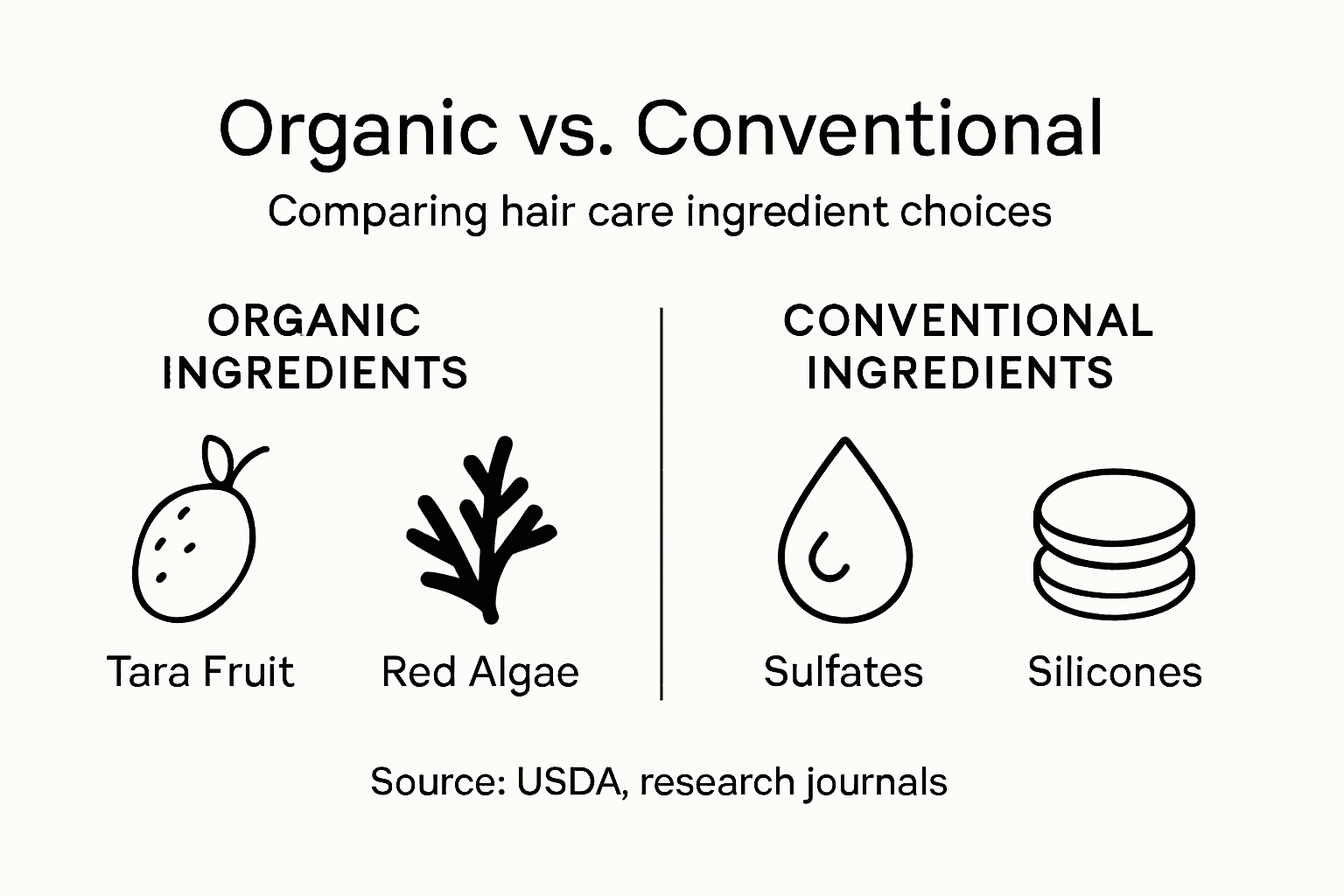
The main differences include:
Recent research shows that plant-based biopolymers from sources like tara fruit and red algae create protective films on your hair shaft. These natural coatings shield against environmental damage from heat, sunlight, and pollution while improving shine and making combing easier.
Unlike conventional treatments using animal-derived biopolymers, these botanical alternatives work gently with your hair’s natural biology.
A legitimate organic certification means:
These certifications don’t mean “all-natural”—organic standards are specific regulatory frameworks, not wellness claims.
Your hair absorbs what you apply. Products free of harsh chemicals allow your scalp to maintain its natural pH balance and oil production. Over weeks and months, this means deeper hydration, reduced frizz, and hair that actually grows stronger rather than becoming dependent on product buildup.
Organic certification means your ingredients meet regulated agricultural standards, not just that the product is “natural” or safer—though the careful formulation typically does avoid irritating chemicals.
Pro tip: Check product labels for USDA organic certification seals or third-party verification logos. These guarantee the ingredients and manufacturing methods meet regulated standards, not just marketing claims.
Not all ingredients are created equal when it comes to your hair’s health. The organic ingredients in quality hair care products actively repair, protect, and nourish your strands in ways conventional products simply cannot match.
One of the most effective organic ingredients comes from unexpected sources: tara fruit and red algae. Research shows that plant-derived biopolymers form protective films on your hair shaft, creating a shield against environmental damage from heat, sun, and pollution.
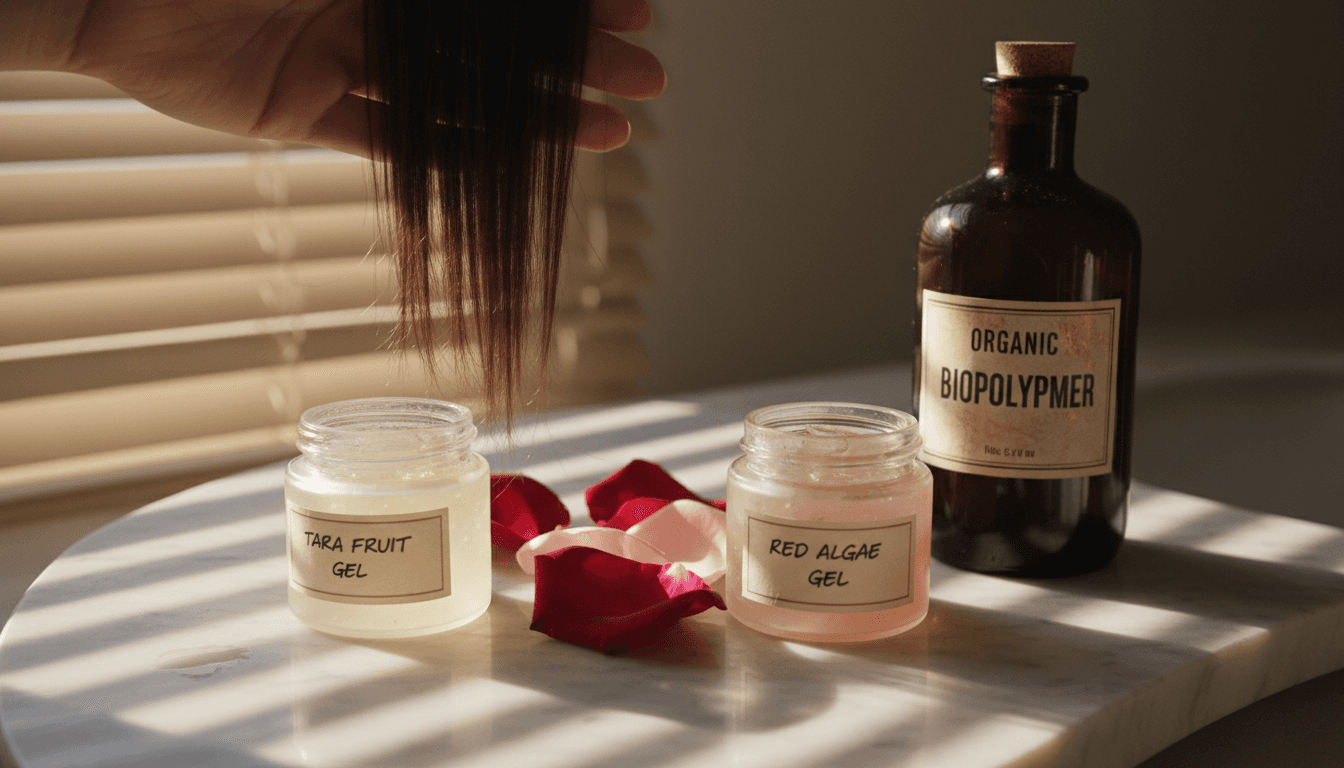
These botanical coatings improve shine dramatically while making your hair easier to comb. Unlike synthetic silicones that weigh hair down, these natural films actually work with your hair’s structure.
Organic hair care relies on hydrating ingredients that penetrate the hair cuticle instead of sitting on top. Plant oils, glycerin derived from vegetables, and botanical extracts absorb into each strand.
Key moisture-delivering ingredients include:
Understanding what to remove from your routine matters as much as knowing what to add. Harsh chemicals like sulfates and parabens irritate the scalp and damage hair structure over time.
These ingredients strip natural oils, leaving hair dry and prone to breakage. Organic formulations swap them for gentler surfactants and natural preservatives that maintain scalp health.
Organic hair care uses plant-derived proteins and amino acids to rebuild damaged strands. These ingredients work like invisible scaffolding, filling gaps in your hair cuticle where damage has occurred.
Common protein sources in organic products include:
Organic ingredients often contain natural antioxidants that fight free radical damage. Green tea, rosemary extract, and vitamin E prevent premature aging of your hair and scalp.
These ingredients also regulate oil production, preventing the greasy buildup that conventional products cause.
The most effective organic ingredients work with your hair’s biology rather than against it, making results compound over months rather than appearing overnight.
Pro tip: Read ingredient lists backward—companies list ingredients by concentration. If water appears second and beneficial botanicals appear fifth, you’re getting mostly filler. Look for products where nourishing ingredients rank in the top three.
Selecting the right organic hair product feels overwhelming with so many options flooding the market. The key is understanding what certifications mean and how to match products to your specific hair needs.
Not every product claiming to be organic actually meets regulatory standards. Look for certified organic personal care certifications like NSF/ANSI 305 that verify authentic formulations.
These certifications guarantee the product meets strict organic standards during both ingredient sourcing and manufacturing. Without them, you’re relying on marketing claims rather than verified safety.
Organic labeling follows specific rules, but it doesn’t automatically guarantee safety. Organic products must comply with both USDA organic standards and FDA safety regulations for proper certification and consumer protection.
This means an organic label tells you about sourcing, not inherent safety. Always check ingredients regardless of the organic claim.
Organic hair care works best when you choose products formulated for your specific needs. Different hair types require different ingredient profiles.
Consider these factors when selecting:
To help match products to your needs, here’s a hair type and organic ingredient suggestion guide:
| Hair Type | Best Organic Ingredients | Key Benefit |
|---|---|---|
| Fine/Oily | Aloe vera, green tea | Lightweight moisture, regulates oil |
| Thick/Curly | Shea butter, coconut oil | Deep hydration, defines curls |
| Damaged/Colored | Plant protein, argan oil | Repairs damage, restores shine |
| Sensitive Scalp | Jojoba oil, calendula | Soothes irritation, gentle cleanse |
Greenwashing happens when brands use organic language without real organic certification. A product labeled “naturally inspired” or “plant-based” may contain minimal organic ingredients surrounded by synthetics.
Read ingredient lists carefully. Legitimate organic products list organic ingredients prominently rather than hiding them in the middle of the list.
Start with shampoo and conditioner, then add targeted treatments based on your hair’s response. Many people see results within 3-4 weeks once scalp health stabilizes.
The transition period matters. Your hair may feel different initially as it adjusts from conventional products to organic formulations. This is normal and typically temporary.
Organic products often work more efficiently than conventional alternatives because they don’t contain fillers. Use slightly less product than you did with conventional shampoos to avoid buildup.
Legitimate organic certification verifies sourcing and manufacturing, but your hair’s success depends on matching the right product formula to your specific needs, not just choosing organic.
Pro tip: Start with one organic product at a time and use it for at least two weeks before assessing results. This lets you identify which products work for your hair and scalp without confusing variables.
The choice between organic and conventional hair care comes down to understanding real differences, not just marketing claims. Both types work, but they operate on fundamentally different principles.
Conventional hair products rely on synthetic surfactants and chemical stabilizers to clean and condition quickly. Organic products use naturally derived alternatives that work more gently with your hair’s biology.
The key difference lies in how they interact with your hair structure. Conventional products often prioritize immediate results through stronger chemical action, while organic formulations build results gradually through nourishment.
Recent studies comparing plant-based organic products to conventional formulations reveal interesting findings. Plant-based haircare products with tara and red algae provide protective films that improve shine and manageability just as effectively as conventional treatments.
However, organic ingredients don’t automatically guarantee better results. Being made with organic ingredients does not guarantee a product is safer or more effective than conventional alternatives—formulation quality matters more than the organic label.
Conventional and organic products diverge significantly in their ingredient sourcing and processing methods:
Conventional products deliver faster visible results because harsh chemicals create dramatic changes immediately. Your hair looks shinier and feels smoother within minutes of application.
Organic products work differently. Results compound over weeks as your scalp rebalances and hair structure rebuilds. This slower timeline frustrates many people switching from conventional products.
Organic products typically cost more upfront due to ingredient sourcing and certification requirements. However, you use less product because there’s no filler content.
Over six months, cost differences often balance out when accounting for how much product you actually use.
Beyond personal hair health, organic and conventional products differ in environmental impact. Organic farming avoids synthetic pesticides that contaminate water systems. Conventional manufacturing often generates chemical waste.
For health-conscious individuals aged 25-40 concerned about global impact, this distinction carries real weight.
Here’s a quick comparison of organic versus conventional hair care approaches:
| Aspect | Organic Hair Care | Conventional Hair Care |
|---|---|---|
| Ingredient Sources | Naturally farmed, plant-based | Synthetic and animal-derived |
| Main Cleansing Agents | Mild botanical surfactants | Strong sulfates, chemical surfactants |
| Preservation Methods | Natural extracts, mild preservatives | Synthetic parabens and chemicals |
| Immediate Results | Subtle, develop over weeks | Fast, dramatic, short-term |
| Long-Term Impact | Scalp balance, less buildup | Risk of oil imbalance, dependency |
| Environmental Impact | Lower, fewer pollutants | Higher, more chemical waste |
Organic products aren’t automatically superior—they’re different. Conventional products work faster; organic products work more gently with better long-term sustainability.
Pro tip: If switching from conventional to organic, give your hair a full four weeks before deciding whether organic works for you. The adjustment period is real, but results after that adjustment are typically stronger and longer-lasting.
Swapping to organic hair care often fails because people have unrealistic expectations or use products incorrectly. Understanding what doesn’t work helps you succeed faster than trial and error.
Many people expect organic products to transform their hair overnight. Reality check: organic formulations work gradually, building results over weeks, not days.
Your scalp needs time to rebalance after years of harsh chemical exposure. Patience during the adjustment period separates people who succeed from those who give up prematurely.
Buying expensive organic products doesn’t eliminate fundamental hygiene requirements. Good hair hygiene practices remain essential regardless of product type, including regular washing and selecting products suited to your hair type.
Organic shampoo won’t fix a scalp that’s being neglected or a routine that’s fundamentally flawed.
How you use products matters as much as what products you use. Common technique errors sabotage even the best organic formulations:
Organic products contain no fillers, so using conventional amounts creates buildup. This is the number one reason people think organic products don’t work.
You actually need less product. Start with half the amount you used before and adjust upward only if needed.
Selecting the right shampoo and conditioner for your specific hair type prevents damage regardless of organic certification. A lightweight formula designed for fine hair will disappoint someone with thick, coarse hair.
Organic labeling doesn’t override the need for proper product selection.
Organic doesn’t mean hypoallergenic. Some people react to botanical ingredients just as they would synthetic ones. Patch test new products on a small section before committing.
Organic products are still vulnerable to contamination from shared brushes, combs, or towels. Keep your hair tools personal and wash them regularly.
The biggest mistake isn’t choosing organic—it’s expecting organic products to work alone without proper technique, patience, and realistic timelines.
Pro tip: Before switching to organic, spend one week perfecting your technique: massage shampoo into scalp only, apply conditioner from mid-length down, dry with a microfiber towel, and brush from ends upward. Better technique often matters more than better products.
If you have struggled with dry, brittle hair caused by harsh chemicals like sulfates and parabens the solution lies in switching to truly organic hair care products that nourish and protect your strands naturally. This article highlights the importance of choosing certified organic formulations free of harmful additives and rich in plant-based biopolymers that rebuild hair strength and shine over time. You want more than quick fixes you need nourishing hydration that works with your scalp’s natural balance.
Discover how our carefully crafted organic hair care line at Manadel Cielo by Nashaly provides deeply hydrating formulas without salt parabens sulfates or silicone. Our products deliver the gentle yet effective care your hair deserves with powerful botanical ingredients designed to protect and grow your hair healthier every day. Take the first step toward longer lasting shine and stronger strands by exploring our organic hair care collection. Don’t wait to experience the difference real organic hair care brings to your daily routine.
Organic hair care products contain ingredients that meet strict agricultural standards set by the USDA. This includes avoiding synthetic pesticides and ensuring that the manufacturing processes do not contaminate organic materials.
Organic hair care products avoid harsh chemicals such as sulfates, parabens, and silicones which can strip the hair of its natural moisture. Instead, they use plant-based ingredients that work with your hair’s natural structure to promote health and shine.
Switching to organic hair care can lead to healthier hair over time as these products support your scalp’s natural pH balance and oil production. They minimize buildup from harsh chemicals, leading to more sustainable results like improved hydration and reduced frizz.
Results from organic hair care products typically build over weeks, not days. As your scalp adjusts and rebalances, you may notice deeper hydration, less frizz, and stronger hair over time. Patience is key during this adjustment period.
WhatsApp: 347-241-9558


 USD
USD EUR
EUR
 AUD
AUD
 GBP
GBP
 JPY
JPY
 INR
INR