Total: $0.00
Taxes and shipping calculated at checkout


Time to shop! Find your favorite product, check the latest collection & don’t miss out the best discounts!


Choosing the right organic hair care products and routine can feel overwhelming when you’re bombarded with countless options claiming miraculous results. Many health-conscious individuals struggle to identify truly effective, chemical-free solutions that deliver on promises of hydration, growth, and shine. This comprehensive checklist cuts through the confusion with science-backed practices and clear criteria to help you build a healthy hair routine using organic products that genuinely work.
| Point | Details |
|---|---|
| Chemical-free formulations | Organic products without sulfates, parabens, and silicones protect scalp health and maintain natural moisture balance. |
| Optimized washing frequency | Washing 2-4 times weekly tailored to hair type preserves natural oils and prevents dryness. |
| Deep conditioning impact | Weekly organic masks boost hair hydration up to 30%, significantly reducing breakage and enhancing shine. |
| Oil selection matters | Different organic oils deliver unique benefits for shine enhancement, scalp balance, and accelerated growth rates. |
| Avoid common pitfalls | Overwashing and harsh brushing cause unnecessary damage; gentle, consistent care yields better long-term results. |
Selecting the right organic hair care products requires understanding which ingredients genuinely benefit your hair and which cause hidden damage. The foundation of any effective routine starts with avoiding harsh chemicals that strip moisture and irritate your scalp.
Sulfate-free, paraben-free, and silicone-free formulations protect your hair’s natural structure and scalp ecosystem. Sulfates create aggressive lather but remove essential oils your hair needs for hydration. Parabens disrupt hormonal balance and can trigger scalp sensitivity. Silicones coat hair strands, creating temporary shine while preventing moisture absorption and causing long-term buildup.
Natural oils and hydrating ingredients form the backbone of effective organic products. Look for formulations containing argan oil, jojoba oil, coconut oil, shea butter, and plant-based proteins that penetrate hair shafts to deliver lasting moisture. These ingredients work with your hair’s biology rather than against it.
Tailoring product choices to hair type dramatically improves results. Curly and coily hair thrives with heavier moisturizers and less frequent washing to retain natural oils. Fine or oily hair responds better to lighter formulations and more regular cleansing. Understanding your specific needs prevents wasted money on products that don’t match your hair’s requirements.
Consistency matters more than complexity when building your routine. A simple organic hair care routine checklist with quality products used regularly outperforms elaborate routines with inconsistent application.
Pro Tip: Start by identifying your primary hair goal (hydration, growth, or shine) and select two or three core products addressing that specific need before expanding your routine.
Establishing an effective daily routine doesn’t mean washing your hair every day. In fact, the opposite approach yields better hydration and growth results for most hair types.
Washing frequency tailored to hair type ranges from two to four times weekly for optimal scalp health. Curly and coily hair benefits most from washing once or twice weekly to preserve the natural oils that provide essential moisture. Straight or fine hair typically tolerates three to four washes per week without becoming overly dry.
Your washing technique impacts results as much as product choice. Use lukewarm water instead of hot water, which opens cuticles excessively and strips moisture. Apply sulfate-free shampoo directly to your scalp, massaging gently with fingertips in circular motions to stimulate circulation without causing irritation. Let the shampoo rinse through your hair lengths naturally rather than scrubbing the entire shaft.
Detangling properly prevents unnecessary breakage that undermines growth efforts. Always detangle when hair is damp and coated with conditioner, never when completely dry. Start from the ends and work upward using a wide-tooth comb, gently releasing knots rather than forcing the comb through resistance.
Leave-in conditioners lock in moisture throughout the day without the heaviness of traditional rinse-out formulas. Apply a small amount to damp hair, focusing on mid-lengths and ends where hair is oldest and most prone to dryness. These healthy hair care steps create a protective barrier that reduces environmental damage and maintains hydration between washes.
Pro Tip: Perform a quick scalp massage for 3-5 minutes each morning to stimulate blood flow and distribute natural oils, even on non-wash days.
Daily care maintains your hair’s baseline health, but weekly treatments provide the intensive moisture boost needed to repair damage and restore vibrancy. Deep conditioning treatments improve moisture retention by up to 30%, making them essential for anyone dealing with dryness or breakage.
Organic hair masks containing keratin, argan oil, coconut oil, and plant extracts penetrate deeper than regular conditioners. Keratin fills gaps in damaged cuticles, argan oil delivers antioxidants and fatty acids, and coconut oil’s small molecular structure allows it to actually enter the hair shaft rather than just coating the surface.
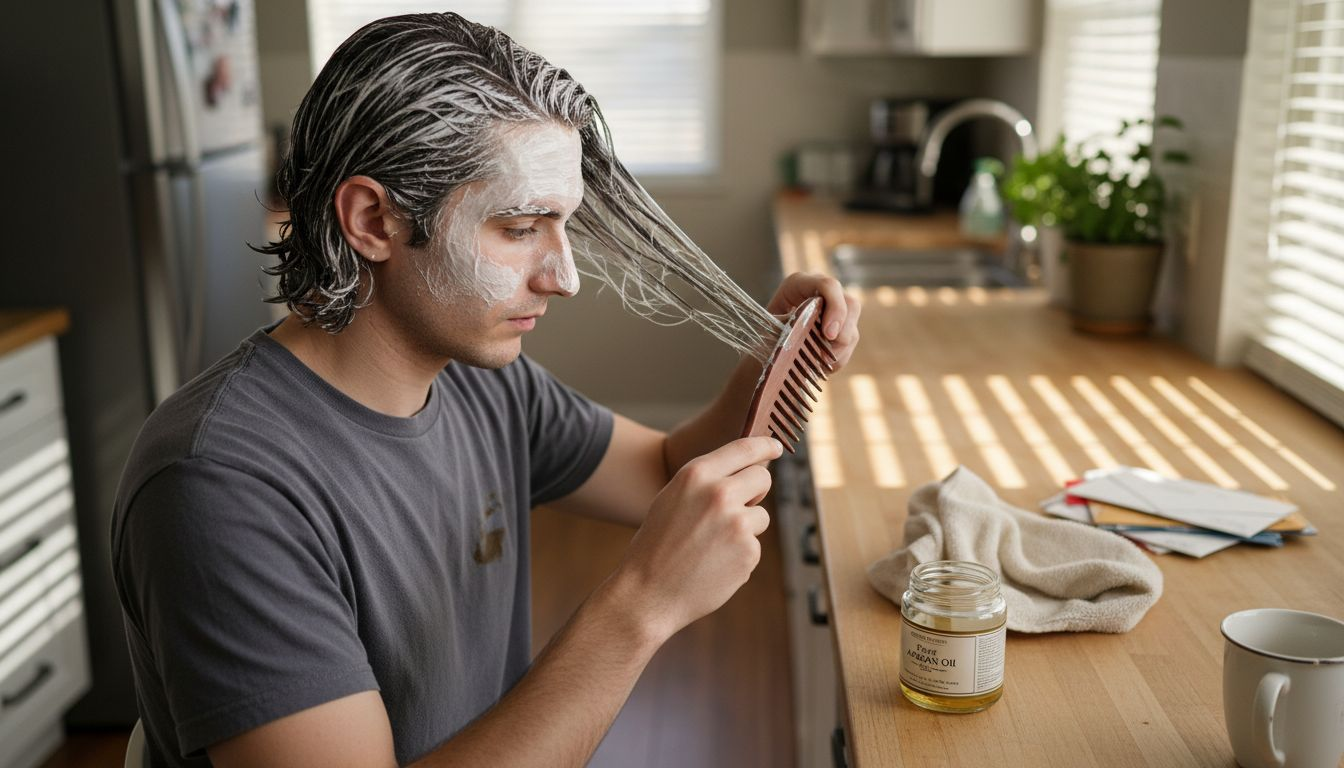
Application timing and technique maximize treatment effectiveness. Apply your mask to freshly washed, towel-dried hair when cuticles are slightly open and receptive. Distribute evenly from roots to ends, then cover with a shower cap. The trapped heat opens cuticles further, enhancing ingredient absorption. Leave treatments on for 15-30 minutes depending on damage severity.
Treatment frequency depends on your hair’s condition and porosity. Damaged, color-treated, or chemically processed hair benefits from deep conditioning twice weekly. Healthy hair maintains optimal moisture with weekly treatments. Over-conditioning can cause protein buildup, so pay attention to how your hair feels and adjust accordingly.
Understanding hair mask benefits helps you select formulations addressing your specific concerns. Masks rich in proteins rebuild strength in weakened strands. Moisture-focused masks with oils and butters combat dryness. Clarifying masks with gentle acids remove buildup without harsh sulfates.
| Treatment Type | Key Ingredients | Frequency | Primary Benefit |
|---|---|---|---|
| Protein mask | Keratin, collagen, silk amino acids | Every 2 weeks | Strengthens damaged hair, reduces breakage |
| Moisture mask | Shea butter, argan oil, coconut oil | Weekly | Deep hydration, softness, elasticity |
| Clarifying mask | Apple cider vinegar, tea tree oil | Monthly | Removes buildup, restores natural pH |
| Growth mask | Castor oil, rosemary, peppermint | Weekly | Stimulates follicles, improves thickness |
Healthy hair growth starts at the scalp, where follicles need proper blood flow and nourishment to produce strong, vibrant strands. Regular scalp massage using vegetable oils increases circulation by approximately 50%, delivering more nutrients and oxygen to hair follicles.
Organic oils provide dual benefits during scalp massage. The physical manipulation stimulates blood flow while the oils nourish the scalp and reduce inflammation that can impede growth. Rosemary oil has demonstrated particular effectiveness for promoting hair growth by improving cellular metabolism in follicles. Coconut oil’s antimicrobial properties create a healthier scalp environment by reducing fungal and bacterial populations.
Proper massage technique matters for results. Use your fingertips, not your nails, to apply gentle but firm pressure in small circular motions across your entire scalp. Start at your hairline and work backward toward the crown, then down the sides. Spend 5-10 minutes daily for optimal benefits, ideally before bed when your body’s natural repair processes are most active.
Scalp health directly influences hair texture, shine, and growth vigor in ways many people overlook. Inflammation, excess sebum, and product buildup create hostile conditions for follicles. A clean, balanced scalp with good circulation produces hair that grows faster, stronger, and shinier from the moment it emerges.
The organic hair care routine guide emphasizes scalp care as the foundation for all other treatments. Without a healthy scalp, even the best hair products deliver diminished results.
Scalp massage isn’t just relaxing, it’s a scientifically proven method to enhance follicle function and accelerate growth through improved microcirculation and stress hormone reduction.
Pro Tip: Warm your oil slightly before application for better absorption and a more soothing massage experience that promotes relaxation and reduces stress-related hair loss.
Different organic oils offer unique benefits, and understanding these distinctions helps you select the right option for your specific hair goals. No single oil does everything perfectly, but combining oils strategically addresses multiple needs.
Argan oil stands out for enhancing shine and smoothness. Rich in vitamin E and fatty acids, argan oil improves hair shine by 25% while taming frizz and protecting against heat damage. It’s lightweight enough for fine hair but nourishing enough for dry strands, making it the most versatile option.
Jojoba oil most closely mimics your scalp’s natural sebum, making it ideal for balancing oil production. It reduces dandruff by 15% through its antimicrobial properties and ability to dissolve excess sebum without stripping necessary moisture. People with oily scalps or dandruff concerns see the fastest improvement with jojoba.
Castor oil delivers the most dramatic growth results, increasing hair growth rates by 13% according to research studies. Its high ricinoleic acid content stimulates prostaglandin production, which extends the growth phase of hair follicles. The thick consistency makes it best for spot treatments on thinning areas or mixed with lighter oils.
Coconut oil penetrates the hair shaft more effectively than other oils due to its low molecular weight. This makes it exceptional for deep conditioning and protein retention. However, it can cause buildup on low-porosity hair, so those with fine or easily weighed-down hair should use it sparingly.
| Oil Type | Primary Benefit | Best For | Application Method |
|---|---|---|---|
| Argan | 25% shine increase, smoothing | All hair types, daily use | Few drops on damp ends |
| Jojoba | Scalp balance, 15% less dandruff | Oily scalp, dandruff | Scalp massage, leave 30 minutes |
| Castor | 13% growth boost, thickness | Thinning areas, slow growth | Targeted application, overnight |
| Coconut | Deep penetration, protein retention | Dry, damaged, high porosity | Pre-wash treatment, 1-2 hours |
| Rosemary | Follicle stimulation, circulation | Promoting new growth | Scalp massage, daily |
Exploring organic hair care types reveals how combining oils creates customized solutions matching your exact needs rather than settling for one-size-fits-all products.
Knowing what to avoid matters as much as knowing what to include in your routine. Harsh chemicals and poor practices undermine even the best organic products, creating a cycle of damage and disappointing results.
Sulfates, parabens, and silicones cause a 30% reduction in scalp inflammation when eliminated from your routine. Sulfates create excessive lather by stripping both dirt and protective oils, leaving hair dry and scalp irritated. Parabens accumulate in scalp tissue over time, potentially disrupting hormone function. Silicones create an impermeable coating that blocks moisture while trapping debris against your scalp.
Switching to sulfate-free shampoos preserves your scalp’s natural pH balance and moisture levels. Your hair may feel different initially as silicone buildup washes away, but within two weeks you’ll notice improved texture and responsiveness to conditioning treatments. This adjustment period is normal and temporary.
Common mistakes sabotage otherwise solid routines:
Consistency and patience deliver results that quick fixes never achieve. Hair grows approximately half an inch monthly, so improvements in length and thickness require several months of dedicated care. Damage repair happens gradually as old, damaged hair is replaced by new, healthy growth.
Understanding organic hair care benefits reinforces why avoiding harsh chemicals creates such dramatic improvements in hair health, appearance, and manageability.
Choosing the right approach depends on your hair type, primary concerns, and lifestyle. This comparison helps match routine components to your specific situation for optimal results.
| Hair Type/Goal | Washing Frequency | Essential Products | Key Oil | Special Treatment |
|---|---|---|---|---|
| Curly, hydration focus | 1-2 times weekly | Sulfate-free shampoo, rich conditioner, leave-in | Coconut or shea butter | Weekly moisture mask |
| Fine, volume needed | 3-4 times weekly | Lightweight shampoo, protein conditioner | Jojoba or argan | Bi-weekly protein treatment |
| Oily scalp, balance | 3 times weekly | Clarifying shampoo, light conditioner | Jojoba or tea tree | Monthly clarifying mask |
| Damaged, repair focus | 2-3 times weekly | Gentle shampoo, intensive conditioner | Argan or coconut | Twice-weekly repair mask |
| Growth stimulation | 2-3 times weekly | Fortifying shampoo, growth conditioner | Castor or rosemary | Daily scalp massage |
| Color-treated, protection | 2 times weekly | Color-safe shampoo, UV conditioner | Argan or sunflower | Weekly color-protect mask |
Daily routines provide baseline maintenance while weekly treatments deliver intensive repair and nourishment. Balance both components for comprehensive care that addresses immediate needs and long-term goals.
Organic products for curly hair require extra attention to moisture retention and definition. Curly hair’s structure makes it naturally drier since oils travel less easily from scalp to ends along the curved shaft. More intensive hydration and less frequent washing prevent the frizz and breakage that plague many curly-haired individuals.
Customize your routine by starting with the basic framework for your hair type, then adjust based on results. If your hair feels dry, increase conditioning frequency. If it feels heavy or greasy, reduce product amounts or switch to lighter formulations. Your hair provides constant feedback about what it needs.
Putting these healthy hair routine principles into practice becomes effortless when you have the right products formulated specifically for hydration, growth, and shine. Our curated organic hair care collection eliminates harsh chemicals while delivering concentrated nutrients your hair craves.
The hydrating shampoo cleanses gently without sulfates, preserving your scalp’s natural moisture balance while removing buildup. Paired with our hydrating shampoo and conditioner set, you create the perfect foundation for daily care that maintains hydration between intensive treatments.

For weekly deep conditioning that repairs damage and restores shine, the repairing hair treatment delivers concentrated organic ingredients that penetrate deeply. Every product is formulated without salt, parabens, sulfates, or silicones, ensuring you’re nourishing your hair with only beneficial ingredients.
Explore the complete range to find products matching your specific hair type and goals. Each formula is designed to work together as part of a comprehensive routine or as targeted solutions for particular concerns.
Washing 2-4 times weekly works best for most hair types to maintain moisture without overdrying. Curly and coily hair specifically benefits from washing only once or twice weekly to preserve the natural oils that provide essential hydration and definition.
Castor oil increases hair growth rates by 13% through its high ricinoleic acid content that extends the growth phase. Rosemary and coconut oils also promote growth by stimulating scalp circulation and delivering nutrients to follicles. Daily scalp massage with any of these oils amplifies their effectiveness significantly.
Use deep conditioning treatments once or twice weekly depending on your hair’s dryness and damage level. Regular application improves moisture retention by up to 30%, which directly reduces breakage and enhances natural shine. Severely damaged hair benefits from twice-weekly treatments until condition improves.
Overwashing strips essential oils and creates a cycle of dryness that’s difficult to reverse. Skipping conditioner and brushing harshly cause immediate mechanical damage to cuticles and increase breakage. Consistent, gentle care with appropriate products yields dramatically better results than aggressive or irregular routines.
WhatsApp: 347-241-9558


 USD
USD EUR
EUR
 AUD
AUD
 GBP
GBP
 JPY
JPY
 INR
INR