Total: $0.00
Taxes and shipping calculated at checkout


Time to shop! Find your favorite product, check the latest collection & don’t miss out the best discounts!


Finding that perfect balance of moisture can transform dull, brittle strands into vibrant, shiny hair. For women everywhere, especially those who want an organic approach to hair care, understanding hydration is the key to achieving lasting softness and gloss. Your hair is a delicate mix of keratin and water, with hydration deeply impacting both its strength and appearance. This guide will show you how to nurture your hair from the inside out, revealing the science and practical steps for lasting shine and resilience.
| Point | Details |
|---|---|
| Hydration is Essential for Hair Health | Proper hydration strengthens hair, improves elasticity, enhances shine, and supports scalp health, while dehydration leads to brittleness and breakage. |
| Internal vs. Surface Hydration | Internal hydration penetrates the hair shaft for long-term benefits, while surface hydration provides immediate shine but requires regular reapplication. |
| Know Your Hair Porosity | Understanding whether your hair is low, medium, or high porosity helps in selecting effective hydration products for optimal moisture retention. |
| Common Hydration Mistakes | Avoid over-washing, confuse hydration with moisture, and neglect scalp care; these errors undermine your hair’s hydration efforts. |
Hydration is the foundation of healthy, shiny hair. Without adequate moisture, your hair becomes fragile, dull, and prone to breaking. Think of hydration like water inside a plant—without it, the plant withers and loses its vibrant color.
Your hair is made up of keratin and water, and this combination determines how your hair looks and feels. When water absorbs into your hair, it directly influences the mechanical characteristics that create shine and smoothness. This is why water absorbed on hair surfaces significantly affects friction and overall appearance.
Hydration does far more than just make your hair feel softer. It supports your entire hair ecosystem:
Dehydration creates the opposite effect. Dry, parched hair becomes brittle and prone to breakage, losing its natural luster no matter how much you style it.
Your hair follicles depend on proper hydration to function optimally. Nutrients cannot reach your follicles efficiently without adequate moisture in your scalp and hair system.
When you’re dehydrated, your body prioritizes vital organs over hair health. This means your follicles receive fewer nutrients, leading to slower growth and weaker strands. You can understand more about why hydration matters for growth and shine and how it transforms your entire hair quality.
Properly hydrated hair grows faster, looks thicker, and maintains its strength longer.
Your hair speaks to you. Listen for these hydration signals:
If you recognize these signs, your hair is crying out for deeper moisture.
Hydration is not a luxury—it’s the baseline requirement for healthy hair growth and natural shine. Without it, no other hair care step can work effectively.
Pro tip: Start hydrating from the inside by drinking adequate water daily, then layer external hydration through moisturizing shampoos and conditioners designed to lock in moisture without silicones or sulfates.
Not all hydration works the same way on your hair. Understanding the different types helps you choose the right products and techniques for your specific needs. Hair hydration happens in layers, and each type creates distinct benefits.
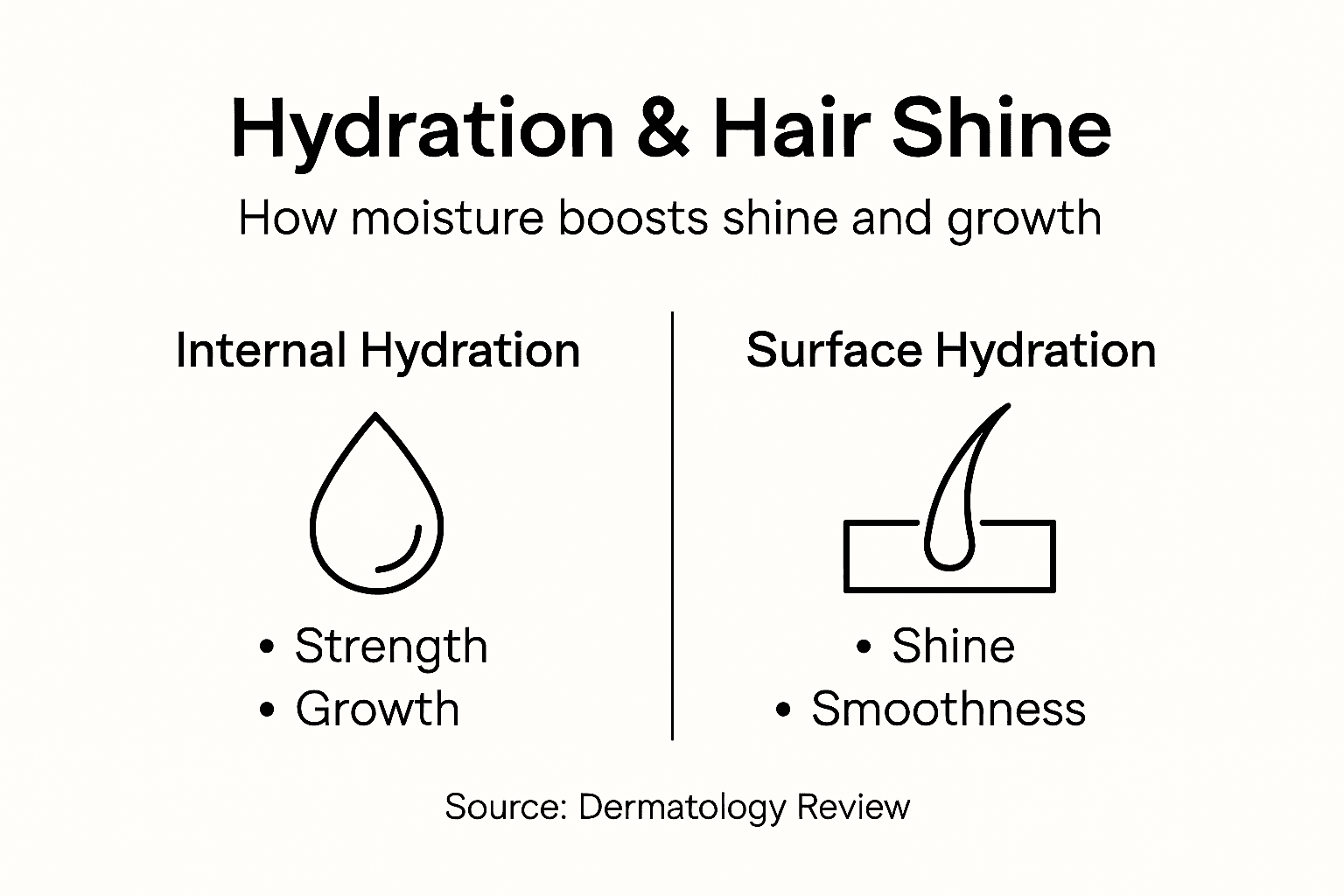
Hydration operates on two levels: inside your hair and on top of it.
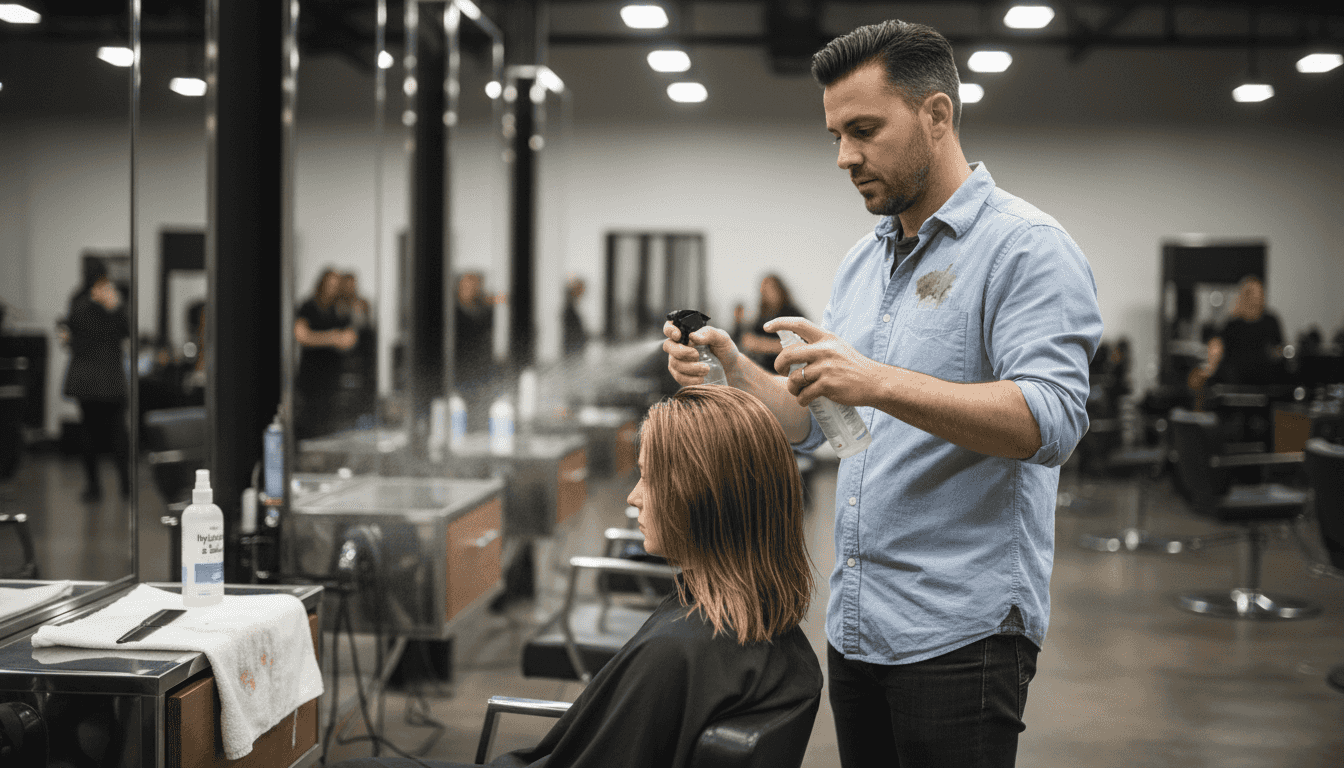
Internal hydration penetrates the hair shaft and works at the molecular level. Water molecules break and form hydrogen bonds with keratin, the protein that makes up your hair structure. This process directly affects your hair’s flexibility and elasticity.
Surface hydration sits on the outside of your hair cuticles. This creates immediate smoothness and shine but requires regular reapplication. Think of it like a protective coating that locks in the internal moisture.
Both types matter. Internal hydration gives you long-term strength and growth, while surface hydration delivers the visible shine and softness you feel.
Your hair’s porosity level determines how much water it absorbs and holds onto. Porosity refers to how open or closed your hair cuticles are.
Different hair porosities impact water absorption and retention differently, which is why one person’s perfect hydration routine might not work for another.
Here is a quick comparison of how hair porosity affects hydration strategies:
| Hair Porosity Type | Water Absorption | Moisture Retention | Best Hydration Approach |
|---|---|---|---|
| Low Porosity | Slow absorption | Retains water well | Use lightweight serums |
| Medium Porosity | Balanced uptake | Holds moisture well | Most products effective |
| High Porosity | Rapid absorption | Loses moisture fast | Rich oils and proteins |
Your hair has three distinct layers: the cuticle (outer layer), the cortex (middle layer), and the medulla (center). Water primarily affects the cortex, where alpha-keratin molecules interact with water to determine flexibility and strength.
When water enters the cortex, it swells the hair fiber slightly. This swelling disrupts the tight structure, making your hair more elastic and less prone to breakage. However, without adequate moisture, these bonds tighten, causing brittleness.
The amount of hydration directly impacts how your hair looks and performs:
Even hydration creates resilience. Uneven hydration—where some sections are wet and others dry—causes weak spots that snap easily.
The type of hydration your hair needs depends on its porosity, texture, and current moisture level. Understanding these factors lets you target the exact hydration your hair craves.
Pro tip: Identify your hair’s porosity by doing a simple float test: drop a clean strand of hair into water and observe if it sinks immediately (high porosity), floats (low porosity), or suspends in the middle (medium porosity), then choose hydrating products specifically formulated for your porosity type.
Hydration doesn’t directly speed up hair growth, but it creates the optimal conditions for your hair to reach its full potential. Think of it as preparing fertile soil before planting seeds—the environment matters as much as the seed itself.
Your hair follicles need consistent nourishment to produce healthy strands. Adequate hydration facilitates nutrient transport to the hair follicle, supporting the biological processes that drive growth. When your hair and scalp are properly hydrated, nutrients move efficiently to where they’re needed most.
Dehydration starves your follicles. Nutrients pile up at the scalp surface instead of reaching deep into the follicle where growth actually happens. This slowdown affects every phase of your hair cycle.
Healthy growth means nothing if your hair breaks before it can reach your shoulders. Hydration maintains hair structure integrity throughout the growth process.
Without adequate moisture, even newly grown hair becomes weak. You gain length but lose it to breakage simultaneously.
Shine isn’t just about reflecting light—it’s about having a smooth, healthy surface. Hydrated hair has aligned cuticles that scatter light evenly, creating that coveted luminous appearance.
Dull hair lacks moisture. The cuticles lift and crack, breaking light into scattered directions instead of reflecting it smoothly. No amount of shine serum fixes this; you need internal hydration first.
When your hair absorbs and retains water properly, the cuticles lay flat and smooth. Light bounces predictably across the surface, and suddenly your hair glows naturally.
Your scalp’s health directly impacts both growth and shine. A hydrated scalp produces balanced sebum levels and supports healthy follicle function. A dehydrated scalp becomes flaky, itchy, and hostile to growth.
Hydration creates the biological foundation for growth while simultaneously building the surface appearance of shine. Without it, neither can reach their full potential.
Pro tip: Hydrate from within by drinking consistent water daily, then seal in moisture with leave-in conditioners or hair oils applied to damp hair, which locks moisture into the cortex while hydration is most receptive.
Organic hair care products work with your hair’s natural biology instead of against it. When you choose plant-based formulations free from harsh chemicals, you’re investing in hydration that actually lasts and improves over time.
Synthetic ingredients coat the hair surface temporarily, but they don’t penetrate deeply. Organic formulations, by contrast, contain vitamins, antioxidants, and essential oils that nourish at the molecular level.
Plant-based hair oils and treatments contain ingredients that work synergistically to hydrate the hair fiber while maintaining scalp health. These natural compounds support sebaceous gland function, meaning your scalp produces balanced oils that protect and moisturize naturally.
Not all organic products perform equally. Look for these proven hydrating ingredients:
These ingredients work because they’re biocompatible with your hair’s natural chemistry.
Below is a summary of key organic hair hydration ingredients and the unique benefits they provide:
| Ingredient | Primary Benefit | Additional Effect |
|---|---|---|
| Coconut Oil | Deeply hydrates cortex | Minimizes protein loss |
| Argan Oil | Boosts shine, softness | High in vitamin E |
| Aloe Vera | Scalp soothing, hydration | No heavy residue |
| Shea Butter | Seals in moisture | Tames frizz, adds body |
| Plant Glycerin | Attracts & holds water | Enhances hair flexibility |
Sulfates strip moisture away by breaking down natural oils. Silicones create false shine while trapping moisture inside the hair, preventing balanced hydration. Parabens and synthetic fragrances can irritate the scalp, disrupting the environment needed for healthy hydration.
Organic products skip these problematic ingredients entirely. Organic hair care benefits include healthier scalps, stronger strands, and authentic hydration that builds over weeks and months.
Consistent hydration requires layering. Start with a gentle, sulfate-free cleanser that removes buildup without stripping moisture. Follow with a hydrating conditioner that penetrates the cortex. Finish with a leave-in product or hair oil that seals hydration while protecting against environmental stress.
The key is using products formulated without silicones, sulfates, or synthetic chemicals. These barriers allow your hair to absorb and retain moisture naturally.
Organic hydration works slowly but permanently. Your hair needs 4-6 weeks to fully adjust and show dramatic improvement in shine and strength.
Pro tip: Apply hydrating oils to damp hair immediately after showering, when the cuticles are open and most receptive to moisture absorption, then seal with a leave-in conditioner for maximum hydration retention throughout the day.
You can use the best products available and still sabotage your hair’s hydration. Most people make predictable mistakes that reverse their progress. Understanding these pitfalls helps you protect the moisture you work hard to build.
Washing your hair too frequently disrupts the delicate balance you’re trying to create. Each wash cycle exposes your hair to stress, and frequent water exposure causes problems.
Over-wetting hair disrupts protein bonds and causes the cuticle to swell and lift, leading to cumulative damage. This happens because water penetrates the cortex, forcing open the cuticle scale. Repeated cycles weaken these bonds permanently.
Most people wash hair 2-3 times weekly at most. Frequent wetting without proper care results in hair feeling worse, not better.
These terms sound interchangeable, but they’re fundamentally different. Hydration means water inside the hair fiber. Moisture refers to oils and humectants that lock water in place.
You need both working together. Using only hydrating products without moisture-sealing conditioners leaves your hair wet and vulnerable. The moisture escapes, and your hair reverts to dryness. Conversely, layering oil on dehydrated hair traps the problem instead of fixing it.
Where you apply products matters enormously. Many people coat their entire hair with products meant for the ends only.
Applying conditioner to your scalp creates greasiness and clogs pores. Applying oil to roots weights hair down and disrupts sebum balance.
High porosity hair needs protein and oils to seal the cuticle. Low porosity hair needs lightweight hydrators that penetrate, not heavy oils that sit on top. Using the wrong type wastes time and money.
You can’t hydrate effectively without knowing your hair’s porosity first.
Hydration begins at the scalp. A dehydrated, irritated scalp cannot produce balanced sebum or support follicles properly. Yet many routines ignore scalp health entirely, focusing only on hair length.
The most common hydration mistake is treating symptoms instead of addressing the root cause. Dry hair usually reflects an unhealthy scalp or improper technique.
Pro tip: Wash your hair no more than twice weekly, always condition from mid-length downward, and massage hydrating products into your scalp with your fingertips to stimulate circulation and ensure moisture reaches where hair growth actually begins.
The challenge with dehydrated hair is real but conquerable. When your hair feels brittle, dull, or frizzy, it is a clear signal that it needs more than temporary moisture. According to the article, true hydration involves water absorption at the molecular level and supporting your scalp health to enable growth and lasting shine. If you have struggled with dry strands or weak follicles, your hair craves effective hydration that nourishes from within.

Experience the power of organic, deeply hydrating hair care that aligns with your hair’s natural needs. Our formulas at Manadel Cielo by Nashaly are free of salt, parabens, sulfates, and silicone. They harness gentle, plant-based ingredients proven to penetrate deeply and lock in moisture without buildup. Find out how hydration transforms your hair growth and shine with products designed to nourish every hair porosity type and condition. Take the first step today and see the difference that consistent hydration can make by visiting our main landing page to choose your perfect hydration routine.
Hydration is essential for hair health as it prevents fragility, dullness, and breakage. Properly hydrated hair exhibits strength, elasticity, and natural shine.
Adequate hydration facilitates the efficient transport of nutrients to hair follicles, enhancing growth and promoting healthier hair strands.
Signs of dehydrated hair include frizz, dullness, a straw-like texture, split ends, breakage, and a lack of bounce.
You can identify your hair’s porosity with a float test: place a clean hair strand in water. It will sink quickly if it’s high porosity, float if low porosity, or suspend in the middle if medium porosity. Porosity affects how well hair absorbs and retains moisture, influencing your hydration routine.
WhatsApp: 347-241-9558


 USD
USD EUR
EUR
 AUD
AUD
 GBP
GBP
 JPY
JPY
 INR
INR