Total: $0.00
Taxes and shipping calculated at checkout


Time to shop! Find your favorite product, check the latest collection & don’t miss out the best discounts!


Many people swear by hair products with silicones for instant shine and smoothness, but do these synthetic polymers truly benefit long-term hair health? The debate continues as confusion grows over which silicones harm hair and which are safe. This guide cuts through the noise to explain how silicones work, why certain types can hinder hair growth and moisture, and how you can choose better alternatives for genuinely healthy, shiny hair.
| Point | Details |
|---|---|
| Silicones create shine but may cause buildup blocking moisture | Insoluble silicones form water-resistant layers that prevent hydration from reaching the scalp and strands. |
| Not all silicones cause buildup; some are water-soluble or evaporate | Certain silicones wash out easily with regular shampoo and do not accumulate over time. |
| Buildup can stunt hair growth and irritate the scalp | Accumulated layers block nutrients, oils, and moisture that follicles need to support healthy growth. |
| Safe, natural alternatives hydrate without blocking moisture | Plant oils, butters, and humectants nourish hair deeply without creating occlusive barriers. |
| Transitioning away from silicones requires patience and proper care | Expect 3 to 6 weeks of adjustment as buildup clears and hair restores its natural texture. |
Silicones are synthetic polymers derived from silica, a mineral found in sand and quartz. They appear in ingredient lists with telltale suffixes like cone, siloxane, or conol. These compounds create a smooth, water-resistant film over hair strands, which manufacturers prize for instant cosmetic benefits like frizz control and enhanced shine.
Common silicones in commercial hair products include:
These ingredients coat each strand to seal moisture in, smooth the cuticle, and reflect light for glossy results. Silicones such as dimethicone and cyclomethicones coat hair strands to provide shine and reduce frizz but create a water-resistant layer. Most drugstore shampoos, conditioners, and styling products rely heavily on silicones because they deliver instant, visible improvement.
However, not all silicones behave the same. Water-soluble types like dimethicone copolyol wash out easily with regular shampooing. Evaporative silicones like cyclomethicone disappear quickly, leaving little to no buildup. Insoluble silicones like dimethicone persist through multiple washes, forming layers that can trap dirt, block moisture, and weigh hair down over time. Understanding this distinction helps you navigate sustainable hair products that balance performance with long-term hair health.
Pro Tip: Check ingredient lists for water-soluble or evaporative silicones if you prefer some shine benefits without heavy buildup risk.
Silicone polymers form a hydrophobic film around each strand. This film repels water, which initially seems beneficial because it prevents humidity from causing frizz. Yet this same barrier blocks moisture, oils, and nutrients from penetrating the hair shaft and reaching the scalp. Over time, repeated applications of water-insoluble silicones create thick, cumulative layers that weigh hair down and prevent proper hydration.
Buildup accumulates especially fast with insoluble silicones. Each wash and styling session adds another coating. The hair appears smooth and shiny at first, but within weeks, strands feel limp, greasy, or lifeless. Worse, the scalp struggles to breathe under this synthetic barrier. Follicles can become clogged, leading to irritation, inflammation, and even temporary hair thinning. Silicone polymers create a water-resistant layer blocking moisture absorption essential for hair health; buildup weighs hair down and can cause scalp issues.
Consider this comparison of silicone types:
| Silicone Type | Water Solubility | Buildup Risk | Best For |
|---|---|---|---|
| Dimethicone | Low | High | Heavy smoothing, long-lasting shine |
| Cyclomethicone | Evaporates | Low | Light styling, quick drying |
| Amodimethicone | Moderate (binds selectively) | Medium | Damaged hair repair |
| Dimethicone copolyol | High | Very Low | Gentle hydration, easy rinse |
When follicles are blocked, the natural sebum your scalp produces cannot travel down the hair shaft. This starves strands of their natural conditioning oils and disrupts the growth cycle. Hair becomes brittle, prone to breakage, and grows slower. Inflammation around follicles further impairs growth by creating a hostile environment for healthy hair development.
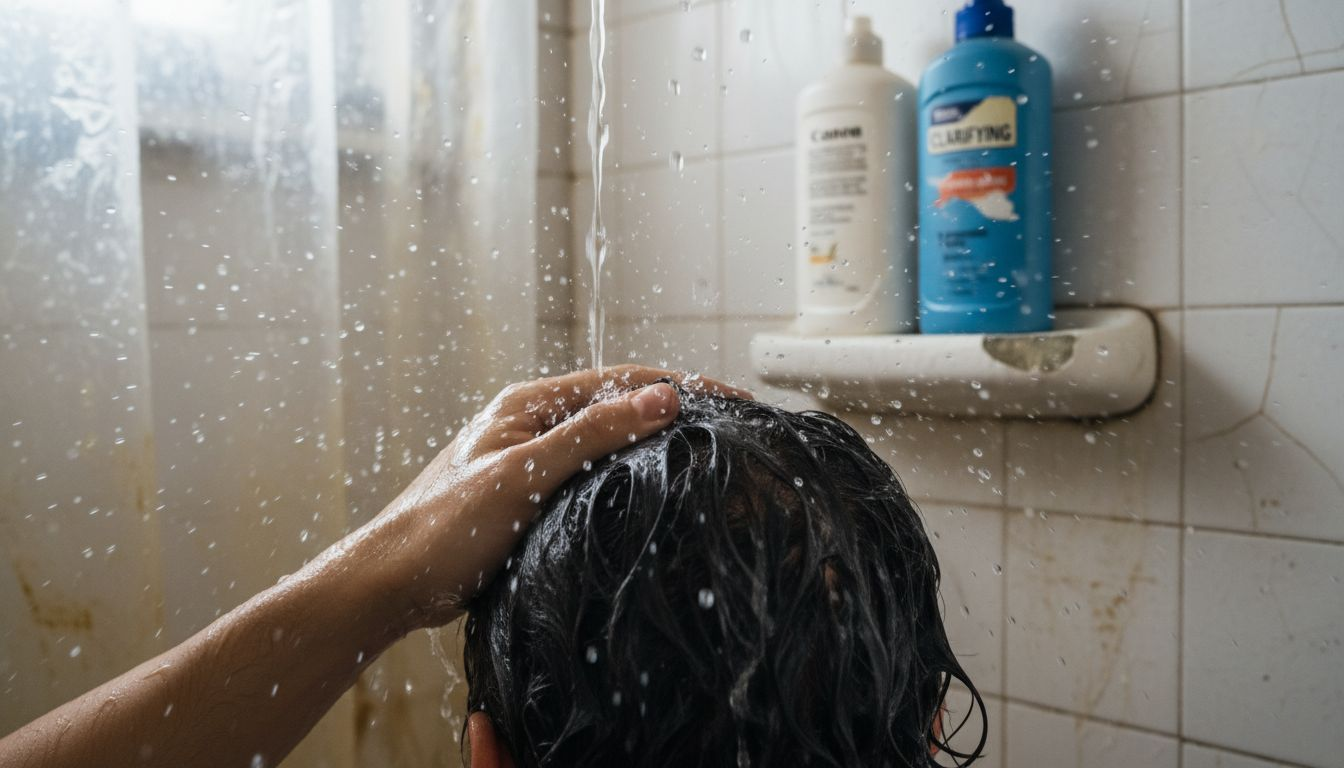
Pro Tip: Use a clarifying shampoo once a week to strip away buildup and restore your scalp’s natural balance, especially if you rotate between silicone and silicone-free products.
To protect your hair, consider routines that prioritize healthy hair care steps focused on deep hydration and scalp health rather than temporary cosmetic fixes.
Beyond hair health, certain silicones raise broader safety concerns. Regulatory agencies in North America and Europe have flagged specific cyclic silicones for potential health risks. For example, cyclotetrasiloxane D4 is restricted in the European Union due to evidence suggesting endocrine disruption and toxicity of certain cyclic silicones. These compounds can persist in the environment, bioaccumulate, and interfere with hormonal systems in humans and wildlife.
Recent Consumer Reports investigations uncovered even more troubling findings. Testing synthetic hair products, researchers detected:
These contaminants often accompany silicones in cheaply manufactured formulas. While not all silicone-based products contain heavy metals, the prevalence of these toxins in commercial hair care highlights the importance of scrutinizing ingredient quality and sourcing.
“Many synthetic hair products contain heavy metals and VOCs that pose serious health risks beyond silicone buildup alone.”
Consumers with sensitive skin, scalp conditions, or hormone-related health concerns should exercise extra caution. Choosing organic, transparently formulated products reduces exposure to these hidden hazards. Opt for brands that publish full ingredient lists, third-party testing results, and clear sourcing information.
Myth: All silicones cause irreversible buildup and damage.
Fact: Not all silicones cause buildup; some are water-soluble or evaporate and do not accumulate if washed properly. Cyclomethicone and dimethicone copolyol rinse out easily with regular shampooing. Using these lighter silicones occasionally poses minimal risk for most hair types.
Myth: Silicones suffocate the scalp and always cause hair loss.
Fact: Buildup can lead to clogged follicles and scalp irritation, but these effects are reversible with proper cleansing. Hair loss from silicones is typically temporary and resolves once buildup is removed. People with oily scalps or fine hair are more susceptible to these issues, but those with thick, coarse hair may tolerate silicones better.
Myth: All silicones are endocrine disruptors.
Fact: Only specific cyclic silicones like D4 and D5 have been flagged for hormonal interference. Most silicones used in hair care, such as dimethicone and amodimethicone, have not shown endocrine-disrupting properties in standard toxicology studies. Regulations vary by region, so checking local safety standards helps you make informed choices.
Myth: Silicones permanently block moisture and nutrients.
Fact: Silicone layers can be cleaned off with clarifying shampoos, sulfate-based cleansers, or oil-based treatments. Once removed, hair can absorb moisture and nutrients normally again. The key is regular deep cleansing to prevent long-term accumulation.
Some specialized silicones like amodimethicone are designed to bind selectively to damaged hair areas, providing targeted repair without coating healthy sections. This intelligent bonding reduces overall buildup while delivering benefits where hair needs them most. Understanding these nuances empowers you to choose products that align with your hair’s unique needs rather than avoiding silicones entirely out of fear.
Natural ingredients offer hydration, shine, and protection without the buildup risks of synthetic silicones. Popular alternatives include:
Natural emollients and conditioners hydrate hair without creating occlusive layers; silicone-free organic products improve hair health and shine. These ingredients work with your hair’s natural structure rather than masking problems with a synthetic film.
Compare natural alternatives to silicones:
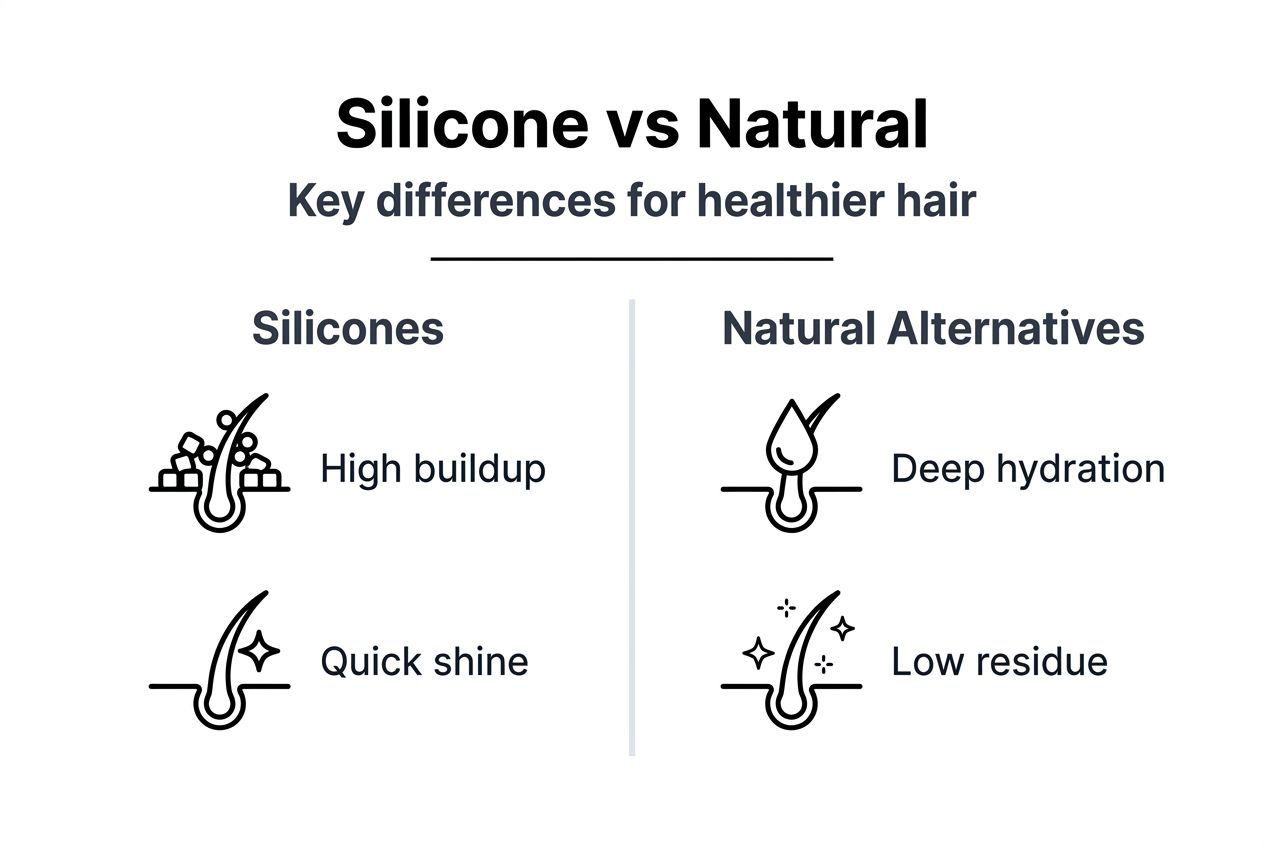
| Feature | Silicones | Natural Alternatives |
|---|---|---|
| Buildup Risk | High (insoluble types) | Low to None |
| Hydration | Seals moisture in, blocks new moisture | Actively hydrates and penetrates |
| Shine | Immediate, reflective | Gradual, natural luster |
| Scalp Health | Can clog pores | Nourishes and soothes |
| Environmental Impact | Persistent, non-biodegradable | Biodegradable, sustainable |
Organic formulas combining multiple natural hydrators deliver the best results. For example, a product blending argan oil with aloe vera and shea butter provides moisture retention, shine, and scalp comfort without heavy buildup. These multi-ingredient solutions address different hair needs simultaneously, supporting overall hair vitality.
Explore natural hair hydrators to discover ingredients that enhance your hair’s natural beauty. Building an organic hair care routine around these alternatives ensures long-term health and shine without compromising your scalp or the environment.
Pro Tip: Combine lightweight oils like jojoba with heavier butters like shea to balance hydration and sealing, adapting the ratio to your hair’s thickness and porosity.
Switching from silicone-heavy products to silicone-free alternatives requires patience and strategic planning. Consumers experience a transition phase of dryness or dullness for 3 to 6 weeks as buildup clears, followed by restored natural hair texture and scalp comfort. Your hair may initially feel rough, frizzy, or lackluster because it is adjusting to functioning without the synthetic coating it relied on.
Follow these steps for a smooth transition:
Pro Tip: Patience and consistent scalp care are essential to successful transition. Give your hair at least 6 weeks before judging the results.
Tailor your routine to your hair’s unique characteristics. Fine hair benefits from lightweight oils and water-based hydrators. Thick, coarse hair thrives with richer butters and heavier oils. Curly hair often needs extra moisture and gentle detangling products to replace the slip silicones once provided.
Refer to healthy hair care steps for detailed routines that support your transition. Consider using an organic hair care routine checklist to track your progress and adjust products as your hair adapts. Embracing clean hair routines rooted in natural ingredients ensures lasting health and shine.
Silicone buildup blocks the moisture and nutrients your hair needs to grow strong and shine naturally. While some silicones are safer than others, avoiding insoluble types and transitioning to natural alternatives restores your hair’s vitality and your scalp’s comfort. Natural oils, butters, and humectants deliver hydration and shine without creating barriers that suffocate follicles or weigh strands down.
Committing to silicone-free care benefits your hair, your health, and the environment. Your hair will feel lighter, look shinier, and grow more vigorously once buildup clears and natural processes resume. The patience required during the transition pays off with long-term results that synthetic shortcuts cannot match.
Ready to experience healthier hair without the burden of silicone buildup? Mana del Cielo by Nashaly offers organic, silicone-free products formulated to deeply hydrate your hair and support natural growth and shine. Our hydrating shampoo and conditioner are free of salt, parabens, sulfates, and silicones, delivering pure nourishment that respects your hair’s natural biology.

Explore our organic hair care routine guide to build a personalized regimen that avoids harmful buildup and maximizes your hair’s potential. Our hydrating shampoo and conditioner combine argan oil, aloe vera, and plant-based humectants to cleanse gently, hydrate deeply, and leave your hair soft and shiny. Follow healthy hair care steps backed by natural ingredients and expert formulations to achieve the vibrant, healthy hair you deserve.
Silicones form buildup layers that block moisture, oils, and nutrients from reaching your hair shaft and scalp. This barrier prevents follicles from receiving the hydration and nourishment they need to support strong, consistent growth. Removing buildup promotes healthier follicles and encourages natural growth cycles to resume.
No, not all silicones cause buildup or damage. Water-soluble silicones like dimethicone copolyol and evaporative types like cyclomethicone rinse out easily with regular shampooing and leave minimal residue. Insoluble silicones like dimethicone accumulate over time and pose greater risks for clogged follicles and moisture blockage.
Transition gradually to avoid shocking your hair and scalp. Use clarifying shampoos weekly to remove existing buildup safely. Expect brief dryness or dullness for 3 to 6 weeks as your hair adjusts. Maintain hydration with natural oils, butters, and leave-in conditioners to support your hair during this period. Following healthy hair care steps ensures a smooth transition.
Plant oils like argan, jojoba, and coconut provide shine and moisture without blocking pores or creating buildup. Shea butter and cocoa butter seal split ends and add softness. Humectants like aloe vera and glycerin draw moisture into hair naturally, enhancing hydration and luster. Combining these ingredients in multi-benefit formulas delivers the best results. Explore natural hair hydrators for detailed ingredient benefits.
WhatsApp: 347-241-9558


 USD
USD EUR
EUR
 AUD
AUD
 GBP
GBP
 JPY
JPY
 INR
INR