Total: $0.00
Taxes and shipping calculated at checkout


Time to shop! Find your favorite product, check the latest collection & don’t miss out the best discounts!


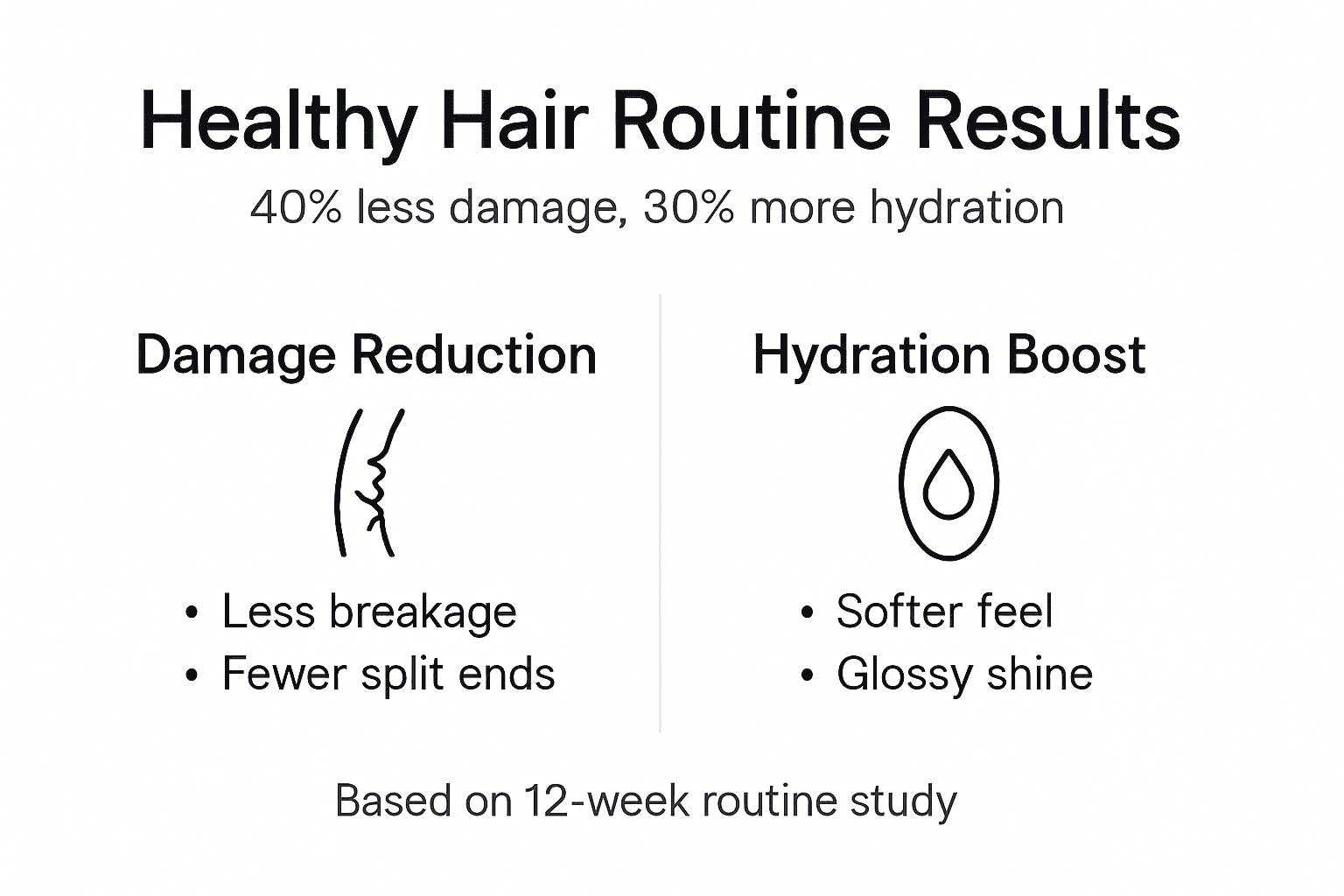
Struggling with dry, brittle hair that refuses to shine? You’re not alone. Many health-conscious individuals face dullness and slow growth caused by harsh chemicals lurking in everyday products. An organic hair care routine focusing on hydration and scalp health can reduce damage by 40% and increase hydration by 30%. This guide provides step-by-step natural methods to achieve shinier, healthier hair over time without compromising your wellness values.
| Point | Details |
|---|---|
| Damage Reduction | Organic hair care steps hydrate hair by up to 30% and reduce damage by 40%. |
| Scalp Stimulation | Daily scalp massage boosts follicle health and promotes growth within 3 to 6 months. |
| Washing Frequency | Washing hair 2 to 3 times weekly with sulfate-free shampoos prevents dryness. |
| Deep Conditioning | Weekly deep conditioning improves shine up to 25%. |
| Chemical Avoidance | Avoiding sulfates, parabens, and silicones protects scalp and hair integrity. |
Before you begin your organic hair care journey, gather the right tools and knowledge. Success depends on preparation.
Start with wide-tooth combs and microfiber towels to prevent breakage. Regular towels create friction that damages wet hair, while microfiber gently absorbs moisture without roughing up the cuticle. Keep a scalp massager handy or plan to use your fingertips daily to stimulate circulation.
Next, select certified organic products free of sulfates, parabens, and silicones. Read ingredient labels carefully. Many products claim to be natural but still contain damaging additives. Look for certifications from recognized organic standards organizations.
Understanding your hair type is crucial. Identify whether your hair is dry, oily, or combination, and assess your scalp condition. Dry scalps need more moisture, while oily scalps require lighter formulations. Sensitive scalps benefit from fragrance-free options.
Essential Tools and Products:
| Hair Type | Recommended Product Focus | Washing Frequency |
|---|---|---|
| Dry | Rich oils like argan, shea butter | 2 times weekly |
| Oily | Lightweight oils like jojoba | 3 times weekly |
| Combination | Balanced formulations | 2 to 3 times weekly |
| Sensitive | Fragrance-free, certified organic | 2 times weekly |
Knowing these prerequisites supports better results and fewer common errors. Check out this organic hair care checklist for a complete setup guide.
Healthy hair starts beneath the surface. Your scalp is living skin that needs attention just like your face.
Perform a daily 5-minute scalp massage to improve blood flow and hair thickness with visible effects in 6 months. Use your fingertips in circular motions, working from the hairline to the crown. Apply gentle pressure without scratching. This increases nutrient delivery to hair follicles and removes dead skin cells that can clog pores.
Incorporate organic oils during massage sessions. Argan oil, coconut oil, and jojoba oil nourish the scalp while providing slip for easier massage. Warm a few drops between your palms before applying. The warmth opens pores and enhances absorption.
Weekly gentle exfoliation removes buildup from styling products and environmental pollutants. Use organic exfoliants like finely ground oatmeal or sugar mixed with your regular oil. Avoid harsh scrubs that can damage the scalp barrier.
Daily Scalp Care Routine:
Monitor your scalp regularly for signs of irritation, excessive dryness, or buildup. Adjust your routine based on what you observe. Redness or itching may indicate product sensitivity or over-exfoliation.
Pro Tip: Perform your scalp massage before bed to promote relaxation and better sleep while supporting hair health simultaneously.
For more detailed scalp care tips, explore proven techniques that maximize circulation and follicle health. Learn more about argan oil benefits for hair through research-backed evidence.
How you wash matters as much as what you use. Overwashing strips essential oils that protect and nourish your hair.
Use sulfate-free organic shampoos that clean without harsh detergents. Sulfates create that satisfying lather but damage the scalp’s moisture barrier. Organic alternatives use gentle cleansers derived from coconut or sugar that effectively remove dirt without stripping natural oils.
Limit washing hair 2 to 3 times weekly with sulfate-free shampoo to prevent dryness and maintain moisture. Your scalp produces sebum that conditions hair naturally. Frequent washing removes this protective layer faster than your body can replace it.
When you wash, focus shampoo on the scalp where oil accumulates. Let the suds rinse through the lengths of your hair rather than scrubbing the ends. Hair furthest from the scalp is oldest and most fragile.
Rinse with cool water as the final step. Cool water helps seal the hair cuticle, locking in moisture and creating smoother, shinier strands. Hot water opens the cuticle and allows moisture to escape.
Proper Washing Technique:
Gentle cleansing preserves hair strength and encourages growth by maintaining the optimal scalp environment. Between washes, use a boar bristle brush to distribute natural oils from root to tip.
Discover effective organic hair washing tips that protect moisture while keeping your scalp clean. Research confirms the importance of washing frequency benefits for long-term hair health.
Deep conditioning repairs damage and restores moisture that daily exposure depletes. This step transforms dull, brittle hair into glossy, resilient strands.
Apply weekly deep conditioning treatments to increase hair shine by 25% after three applications. Choose products enriched with argan oil, shea butter, or coconut oil. These natural ingredients penetrate the hair shaft to repair damage from within.
Application technique matters. Start with freshly washed, towel-dried hair. Hair should be damp but not dripping. Divide hair into sections and apply conditioner from mid-length to ends, avoiding the scalp to prevent greasiness.

Use a wide-tooth comb to distribute the treatment evenly. This ensures every strand receives equal benefits. Cover your hair with a shower cap and apply gentle heat using a warm towel or hairdryer on low. Heat opens the cuticle and enhances ingredient penetration.
Leave the treatment on for 15 to 30 minutes depending on hair damage severity. Severely damaged hair benefits from longer treatment times. Rinse thoroughly with cool water to seal the cuticle and lock in the conditioning benefits.
Deep Conditioning Process:
Expect improvements in manageability, reduced frizz, and enhanced shine. Consistent treatments rebuild the protective cuticle layer that chemicals and heat styling damage over time.
Pro Tip: Add a few drops of your favorite essential oil like lavender or rosemary to your deep conditioner for added aromatherapy benefits and extra nourishment.
Explore deep conditioning with natural oils for specific product recommendations. Learn about natural conditioning benefits backed by clinical research.
What you avoid is as important as what you apply. Harsh chemicals create short-term results but long-term damage.
Avoiding silicones and sulfates reduces hair shaft damage by 40% over 12 weeks. Silicones coat hair to create artificial shine but prevent moisture from penetrating. This leads to cumulative dryness and brittleness. Sulfates strip color and natural oils, causing the scalp to overproduce sebum in compensation.
Parabens preserve product shelf life but can irritate sensitive scalps. Many individuals experience reduced inflammation and fewer scalp issues after switching to paraben-free alternatives. Your scalp absorbs ingredients, so choosing clean formulations matters.
Synthetic fragrances often contain dozens of unlisted chemicals. These can trigger allergic reactions and scalp sensitivity. Organic products use essential oils for scent, providing aromatherapy benefits without harsh additives.
Chemicals to Avoid:
| Product Type | Conventional Ingredient | Organic Alternative | Key Benefit |
|---|---|---|---|
| Shampoo | Sodium lauryl sulfate | Coconut-derived cleanser | Maintains scalp moisture |
| Conditioner | Dimethicone | Shea butter, argan oil | Allows moisture penetration |
| Styling | Synthetic polymers | Natural plant waxes | Nourishes while styling |
| Preservative | Parabens | Vitamin E, rosemary extract | Reduces irritation risk |
Organic alternatives nourish without adverse effects. They work with your hair’s natural structure rather than against it. Initial transition may feel different as your hair adjusts, but improvements become evident within weeks.
Understand the benefits of avoiding harsh chemicals through comprehensive guides. Review research on effects of silicones and sulfates for evidence-based insights.
Even with good intentions, certain missteps can sabotage your organic hair care results. Recognizing these helps you adjust quickly.
Overwashing increases dryness by up to 60% as frequent cleansing removes protective sebum faster than your scalp can produce it. If your hair feels dry despite using quality products, reduce washing frequency to twice weekly.
Skipping daily scalp massage eliminates the circulation benefits that promote growth. Even on busy days, commit to 3 minutes. Consistency matters more than duration. Set a reminder on your phone if needed.
Using one oil exclusively can cause scalp buildup as your skin adapts to the fatty acid profile. Rotate between argan, jojoba, and coconut oils monthly. This provides varied nutrients and prevents pore clogging.
Ignoring scalp irritation signs worsens hair health over time. Persistent itching, flaking, or redness indicates product sensitivity or underlying issues. Switch to fragrance-free formulations and consult a dermatologist if symptoms persist beyond two weeks.
Quick Fixes for Common Issues:
Adjust your routine based on seasonal changes too. Winter air requires more intensive moisture, while summer heat may need lighter formulations. Your hair’s needs evolve.
Pro Tip: Keep a simple hair journal noting what products you use and how your hair responds. Patterns emerge that help you optimize your personal routine.
Learn how to fix common hair care mistakes with targeted solutions. Research confirms the need to avoid overwashing to prevent dryness for optimal scalp health.
Patience is essential with organic hair care. Natural ingredients work gently but effectively, delivering sustainable improvements.
Hair growth becomes noticeable within 3 to 6 months of consistent care. You’ll see new growth at the roots and reduced breakage at the ends. Measure progress by taking photos rather than relying on memory, as changes accumulate gradually.
Hydration and shine improvements appear in as little as 1 month. Your hair will feel softer to the touch and appear glossier in natural light. These early wins motivate continued commitment to the routine.
Dryness and breakage reduce significantly after 8 weeks. You’ll notice fewer split ends and less hair in your brush. This indicates strengthened hair structure and improved moisture retention.
Long-term scalp health enhancements become evident after 6 months. Reduced flaking, balanced oil production, and healthier follicles create the foundation for sustained hair quality improvements.
| Timeline | Expected Results | Key Indicators |
|---|---|---|
| 2 to 4 weeks | Initial hydration boost | Softer texture, easier detangling |
| 1 to 2 months | Visible shine increase | Glossier appearance, light reflection |
| 2 to 3 months | Reduced breakage | Less hair fall, stronger strands |
| 3 to 6 months | New growth visible | Baby hairs at hairline, fuller appearance |
| 6+ months | Optimized scalp health | Balanced sebum, no irritation, sustained growth |
Consistency is key for sustainable, healthy hair outcomes. Missing weeks disrupts progress. Stick with your routine even when immediate results aren’t obvious. Your hair is repairing damage that accumulated over years.
No single routine works perfectly for everyone. Understanding alternatives helps you customize based on your unique needs.
Alternating oils prevents buildup and balances scalp nutrients. Rotating different organic oils prevents buildup and improves scalp health better than sticking to one oil. Try argan oil one week, jojoba the next, then coconut. Each oil offers distinct fatty acids and vitamins.
Heat protection remains important even with organic routines. If you use styling tools, apply organic heat protectants containing ingredients like aloe vera or flaxseed extract. These create a barrier without silicone coating.
Balancing wash frequency affects natural scalp oil levels. Some individuals thrive washing twice weekly while others need three times. Experiment to find your sweet spot. Factors like exercise frequency, climate, and hair texture influence optimal washing schedules.
Choosing natural exfoliants avoids harsh chemical treatments. Options include brown sugar, sea salt, or ground coffee mixed with carrier oils. These provide physical exfoliation without synthetic additives.
| Approach | Benefits | Tradeoffs | Best For |
|---|---|---|---|
| Oil rotation | Prevents buildup, varied nutrients | Requires multiple products | All hair types |
| Single oil | Simplicity, less expense | May cause buildup over time | Beginners, low-maintenance |
| Bi-weekly washing | Maximum natural oil preservation | May feel greasy mid-week | Very dry hair |
| Tri-weekly washing | Balanced cleanliness and moisture | Requires more product | Normal to oily hair |
| Heat styling with protection | Versatile styling options | Some heat damage despite protection | Special occasions |
| Air drying only | Zero heat damage | Longer drying time, less control | Patient individuals, curly hair |
Weighing Your Options:
Understanding tradeoffs aids in customizing effective personalized care. What works for your friend may not suit your hair. Pay attention to how your hair responds and adjust accordingly.
Compare organic vs natural hair care options to understand nuanced differences. Explore research on benefits of oil rotation for optimized scalp nourishment.
Ready to transform your hair with products designed around these exact principles? ManadelcielobyNashaly offers certified organic formulations that deliver results without compromise.
Our products align perfectly with this organic hair care routine guide, featuring ingredients like argan oil and shea butter. Every formula excludes sulfates, parabens, silicones, and salt.

Explore our hair restoration hydration growth kit for a complete system that simplifies your routine. This comprehensive solution includes everything needed for deep hydration and visible growth.
Prefer building your own routine? Our hydrating shampoo and conditioner duo provides the foundation for healthy hair. Gentle cleansing meets intensive moisture in formulations trusted by health-conscious individuals throughout the United States.
Daily organic oil use is generally safe and beneficial for most hair types. However, rotating between different oils like argan, jojoba, and coconut prevents buildup and provides varied nutrients. If you notice greasiness or heavy feeling, reduce application frequency to every other day.
Noticeable growth typically appears within 3 to 6 months of consistent daily care. Initial improvements in hydration and shine manifest within the first month. Remember that hair grows approximately half an inch monthly, so patience and consistency determine success.
Yes, certified organic products are usually gentler than conventional alternatives. Always perform a patch test before full application by applying a small amount behind your ear and waiting 24 hours. Choose fragrance-free options if you have known sensitivities.
Overwashing strips the natural oils your scalp produces to protect and nourish hair. This increases dryness by up to 60% and causes your scalp to overproduce sebum in compensation, creating a cycle of greasiness and frequent washing. Limiting washes to 2 to 3 times weekly maintains optimal moisture balance.
WhatsApp: 347-241-9558


 USD
USD EUR
EUR
 AUD
AUD
 GBP
GBP
 JPY
JPY
 INR
INR