Total: $0.00
Taxes and shipping calculated at checkout


Time to shop! Find your favorite product, check the latest collection & don’t miss out the best discounts!


You’ve probably heard foam equals clean, but that belief might be damaging your hair. Sulfates create impressive lather while stripping away essential oils your scalp produces for protection and hydration. Switching to sulfate-free shampoo preserves moisture, reduces irritation, and keeps color-treated hair vibrant longer. Understanding why sulfates harm your hair helps you make smarter choices for lasting health and shine.
| Point | Details |
|---|---|
| Sulfates strip natural oils | These harsh detergents cause dry, brittle hair and scalp irritation. |
| Gentler cleansers retain moisture | Sulfate-free formulas use mild surfactants that preserve softness and hydration. |
| Reduced scalp irritation | They help sensitive scalps heal while preserving hair color up to 30% longer. |
| Foam myths are misleading | Lather amount doesn’t indicate cleaning effectiveness. |
| Adjustment period required | Expect 4-6 washes for your scalp to normalize oil production. |
Sulfates like Sodium Lauryl Sulfate (SLS) and Sodium Laureth Sulfate (SLES) are industrial-strength detergents borrowed from household cleaners. Shampoo manufacturers love them because they create satisfying foam at low cost. The problem? Sulfates strip natural oils, leaving hair dry and damaged over time.
Your scalp produces sebum to protect hair follicles and maintain moisture balance. Sulfates remove this protective layer completely with each wash. Without natural oils, hair becomes brittle and prone to breakage. The damage compounds with frequent washing, creating a cycle where hair feels dry, you wash more often, and the problem worsens.
Sulfates affect different people differently based on scalp sensitivity and hair type:
The appeal of sulfates comes down to cost and consumer expectations. People associate foam with cleaning power, so manufacturers deliver impressive lather. This creates a false standard where effective cleansing gets confused with excessive stripping. Exploring organic hair care benefits reveals gentler alternatives that clean without compromise.
“Your hair doesn’t need industrial detergents. Natural oils exist for protection, not removal.”
The solution isn’t eliminating cleansing but choosing surfactants that respect your hair’s biology. Sulfate-free options deliver the clean feeling you want without the damage you don’t need.
Sulfate-free shampoos replace aggressive detergents with milder surfactants that respect your hair’s natural structure. Ingredients like cocamidopropyl betaine and decyl glucoside cleanse effectively while preserving essential moisture. These coconut-derived compounds lift dirt and oil without destroying the protective sebum layer your scalp produces.
The science behind gentle cleansing focuses on selective removal. Traditional sulfates are non-discriminating, removing everything from your hair including beneficial oils. Modern surfactants work like precision tools, targeting actual dirt and buildup while leaving protective elements intact. This selectivity explains why sulfate-free shampoos maintain hydration levels.
Common sulfate alternatives and their benefits:
Sulfate-free formulas help hair retain up to 85% more moisture compared to traditional shampoos. This dramatic difference becomes noticeable within weeks of switching. Hair feels softer immediately after washing and maintains that softness between washes. The cumulative effect builds over time as your hair repairs damage from previous sulfate exposure.
These gentler cleansers suit various hair types including fine, thick, curly, and color-treated. The key advantage is customizable cleansing strength through ingredient concentration rather than harshness. Following hydrated hair tips helps you maximize benefits during the transition.
Pro Tip: Combine sulfate-free shampoo with conditioners containing hyaluronic acid to lock in moisture and achieve salon-quality hydration at home.
The molecular structure of gentle surfactants creates smaller micelles that clean without disrupting hair cuticles. This preserves the smooth outer layer that gives hair its shine and protects inner proteins from damage.
Switching to sulfate-free shampoo delivers measurable improvements across multiple hair health indicators. Users report reduced scalp irritation including itchiness and redness especially for sensitive skin, eczema, or psoriasis. Within two weeks, 63% of users notice significant relief from chronic scalp discomfort.
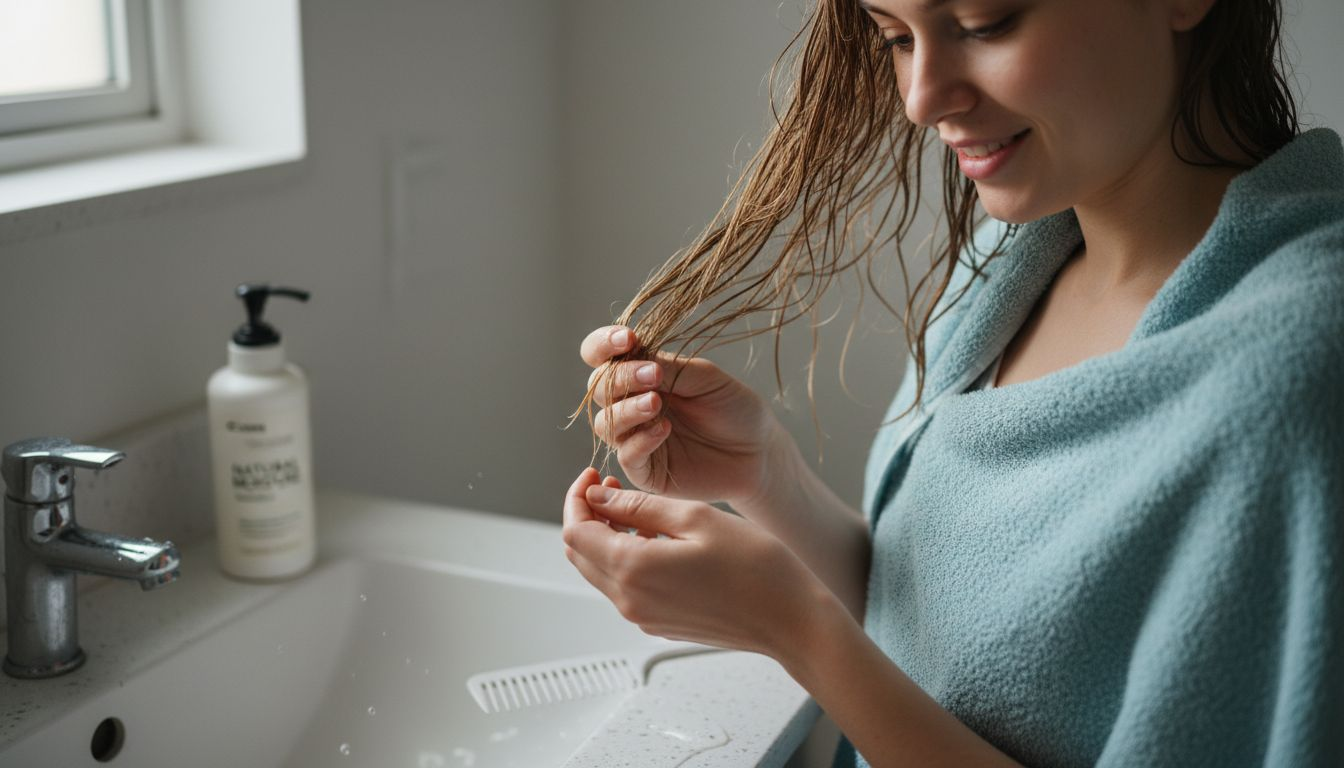
Moisture retention represents the most dramatic benefit. Hair maintains significantly more hydration compared to sulfate shampoos, creating softer texture and improved manageability. This moisture advantage becomes particularly important for hair types prone to dryness like curls, coils, and chemically treated hair.
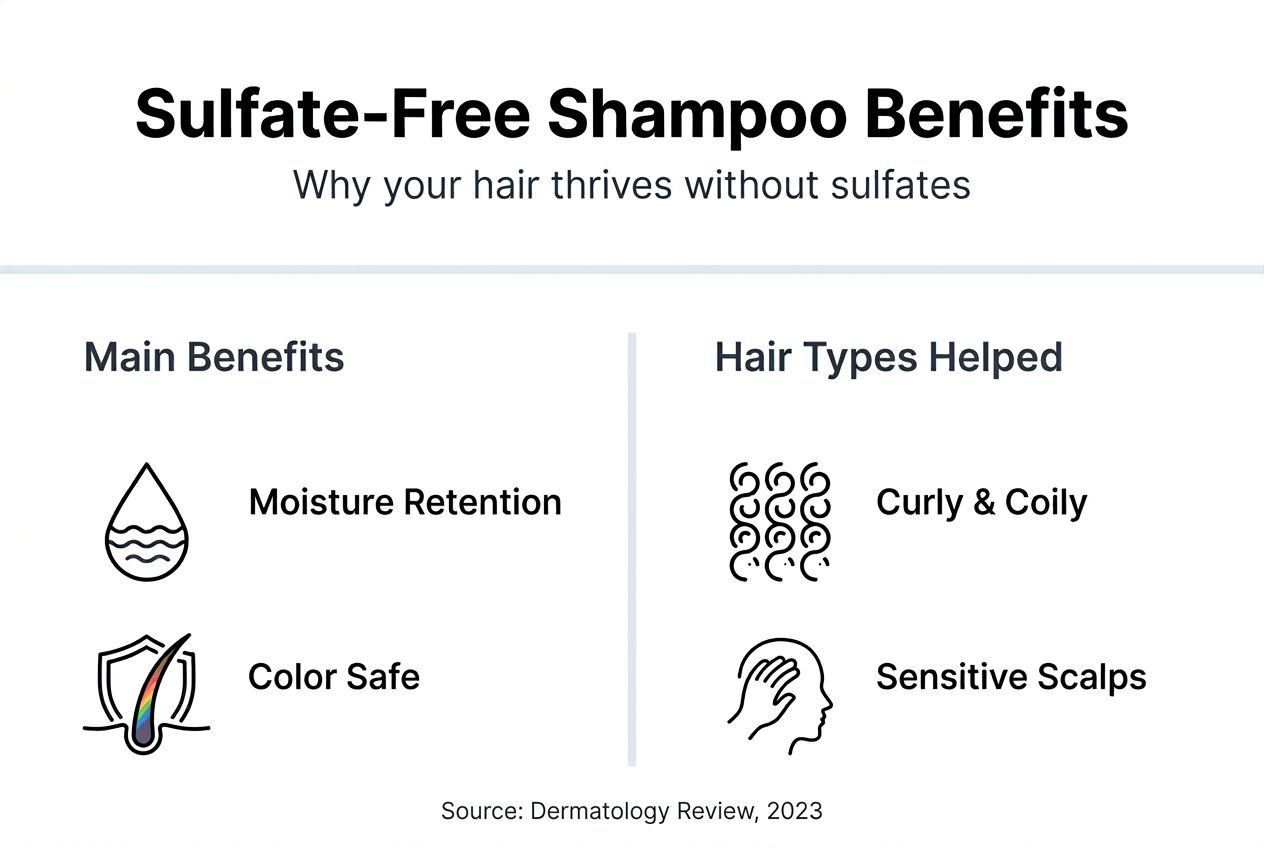
Color preservation offers another compelling reason to switch. Studies show color vibrancy extends by up to 30% over six weeks when using sulfate-free products. The gentle cleansing prevents premature fading while maintaining the dimensional tones professional colorists work hard to achieve.
| Benefit | Sulfate Shampoo | Sulfate-Free Shampoo |
|---|---|---|
| Moisture retention | 45-50% | 85%+ |
| Scalp irritation | Frequent | Reduced 63% in 2 weeks |
| Color longevity | 4-5 weeks | 6-7 weeks (30% longer) |
| Natural oil balance | Stripped daily | Preserved |
| Shine and softness | Temporary | Sustained |
Key advantages you’ll experience:
The cumulative effects compound over months of consistent use. Following an organic hair care routine checklist ensures you maximize these benefits through complementary practices.
“Healthy hair starts with a healthy scalp. Gentle cleansing creates the foundation for everything else.”
These improvements aren’t cosmetic tricks or temporary fixes. They represent genuine biological changes as your hair and scalp recover from chemical stress and rebuild natural protective mechanisms.
The biggest myth about sulfate-free shampoo claims no foam means no cleaning. This misconception stems from decades of marketing that equated lather with effectiveness. Foam is a cosmetic effect, not a cleaning indicator. Sulfate-free shampoos cleanse thoroughly despite producing less dramatic bubbles.
Another persistent belief suggests sulfates are inherently bad for everyone. The reality is more nuanced. Sulfates work acceptably for some hair types, particularly oily scalps that tolerate aggressive cleansing. The problem emerges with frequent use on dry, damaged, or chemically treated hair where stripping natural oils causes cumulative damage.
Common myths debunked:
Many users mistakenly judge shampoo performance by immediate foam production rather than how hair feels hours after washing. This skewed metric prevents them from recognizing superior cleaning that preserves hair health. The adjustment period reinforces doubt as scalp oil production normalizes.
Understanding the hydrating shampoo and conditioner combo approach helps you appreciate how modern formulations deliver results without harsh chemicals.
Pro Tip: Judge shampoo effectiveness by how your hair feels 12-24 hours after washing, not by foam quantity during the shower.
The perception gap between sulfate and sulfate-free shampoos reflects conditioning rather than performance differences. Once you adjust expectations and give your scalp time to recalibrate, the superior results become undeniable.
Certain hair types and scalp conditions see dramatic improvements from switching to sulfate-free formulas. Curly and coily hair retains 30% more moisture, reducing frizz and enhancing natural curl definition. The preserved oils help curls maintain their shape without heavy styling products.
Color-treated hair represents another ideal candidate. Sulfate-free cleansing prevents premature fading while protecting the hair shaft from additional chemical stress. This extends the life of expensive color treatments and maintains vibrancy between salon visits.
Ideal candidates for sulfate-free shampoo:
Sensitive scalps experience the most immediate relief. Conditions like eczema and psoriasis worsen with harsh detergents that inflame already compromised skin. Gentle surfactants reduce irritation while maintaining necessary cleanliness. The difference often appears within days as chronic inflammation subsides.
Dry or brittle hair benefits from preserved natural oils that provide internal moisture. This biological hydration works better than topical conditioners alone because it maintains the hair’s natural protective mechanisms. Following a healthy hair routine checklist amplifies these advantages through complementary care practices.
Even people without obvious hair problems benefit from reduced chemical exposure. Sulfate-free shampoos support long-term scalp health and create optimal conditions for hair growth. Prevention works better than correction when it comes to hair damage.
Your scalp needs time to adjust when switching from sulfate to sulfate-free shampoo. Expect increased oiliness for about 4-6 washes as your scalp recalibrates oil production. This temporary phase confuses many people into abandoning gentler products before experiencing their benefits.
The adjustment period happens because sulfates strip so much oil that your scalp overproduces sebum to compensate. When you remove harsh detergents, your scalp continues overproducing briefly until it recognizes the new balance. This recalibration takes time but represents your scalp healing, not a product failure.
Steps for a smooth transition:
Understanding organic hair care benefits helps you maintain commitment during this initial phase. The long-term improvements far outweigh temporary inconvenience.
Pro Tip: Pair your sulfate-free shampoo with a moisturizing conditioner during transition to support scalp and hair hydration while oil production normalizes.
Some people experience minimal adjustment while others need the full 6 washes. Individual variation depends on how long you’ve used sulfates and your natural oil production level. Stick with the process because the gradual return to balanced oil production marks genuine scalp health improvement.
Selecting an effective sulfate-free shampoo requires understanding beneficial ingredients beyond just sulfate absence. Look for moisturizing components like hyaluronic acid and niacinamide that actively improve hair health while gentle surfactants clean. Coconut-derived cleansers offer effective foam without harsh stripping.
Ingredient quality matters as much as what’s excluded. Premium sulfate-free formulas incorporate compounds that strengthen hair structure, support scalp health, and provide lasting hydration. These active ingredients differentiate superior products from basic sulfate-free options.
Key ingredients to seek:
Safety extends beyond personal health to environmental impact. Many sulfate-free shampoos use biodegradable ingredients that don’t accumulate in water systems. Choosing certified organic or eco-friendly products reduces your environmental footprint while improving hair health.
| Ingredient | Primary Benefit | Best For |
|---|---|---|
| Cocamidopropyl betaine | Gentle cleansing, mild foam | All hair types, sensitive scalps |
| Hyaluronic acid | Deep moisture retention | Dry, damaged, or color-treated hair |
| Niacinamide | Scalp health, inflammation reduction | Sensitive or irritated scalps |
| Decyl glucoside | Ultra-gentle plant-based cleansing | Fine hair, children, sensitive skin |
| Coconut oil derivatives | Natural conditioning, shine | Curly, coarse, or textured hair |
Avoid products containing endocrine disruptors sometimes found even in sulfate-free formulas. Reading ingredient lists helps identify potential irritants or allergens specific to your needs. Exploring natural hair hydrators for shine and growth provides additional guidance on beneficial compounds.
Certifications like USDA Organic, EWG Verified, or Leaping Bunny indicate products meeting rigorous safety and ethical standards. These third-party validations offer confidence when choosing among numerous options.
Ready to experience the benefits of sulfate-free hair care? ManadelcielobyNashaly offers thoughtfully formulated products free from sulfates, parabens, salt, and silicone that deeply hydrate while promoting growth and shine.
Our hydrating shampoo uses gentle coconut-derived surfactants combined with moisture-rich ingredients perfect for sensitive and color-treated hair. The formula cleanses effectively without stripping natural oils, supporting your hair’s health from the first wash. For complete care, try our hydrating shampoo and conditioner combo that balances cleansing with deep conditioning for optimal moisture retention. The hydrating conditioner complements your sulfate-free routine with nourishing botanicals that seal cuticles and enhance shine. Each product reflects our commitment to organic ingredients that deliver professional results naturally.
Sulfate-free shampoo excludes harsh detergents like Sodium Lauryl Sulfate (SLS) and Sodium Laureth Sulfate (SLES) that create heavy foam but strip natural oils. Instead, these formulas use gentle cleansing agents derived from coconuts or plants that clean hair effectively while preserving moisture and protecting the scalp.
Yes, foam quantity doesn’t determine cleaning effectiveness. Sulfate-free shampoos use mild surfactants that lift dirt and oil without producing dramatic lather. Your hair gets thoroughly clean while retaining beneficial natural oils that protect and hydrate.
Most people need 4-6 washes for their scalp to normalize oil production. During this adjustment period, you might experience temporary greasiness as your scalp recalibrates from overproducing oils to compensate for harsh sulfates. This phase is normal and indicates your scalp is healing.
Sulfate-free shampoos work for most hair types but benefit curly, color-treated, dry, and sensitive scalps most dramatically. People with these conditions see moisture retention improvements up to 30% and significant irritation reduction. Even oily hair types can use sulfate-free formulas by adjusting washing frequency.
Yes, gentle surfactants reduce inflammation and irritation significantly. Studies show 63% of users experience less scalp itching and redness within two weeks of switching. People with eczema, psoriasis, or general sensitivity find particular relief as their scalp heals from harsh chemical exposure.
WhatsApp: 347-241-9558


 USD
USD EUR
EUR
 AUD
AUD
 GBP
GBP
 JPY
JPY
 INR
INR