Total: $0.00
Taxes and shipping calculated at checkout


Time to shop! Find your favorite product, check the latest collection & don’t miss out the best discounts!


You’ve probably heard that washing your hair daily keeps it clean and healthy, or that natural oils clog your scalp. These widespread myths prevent many people from achieving the vibrant, strong hair they desire. A clean hair routine using organic products free of sulfates, parabens, and silicones preserves your scalp’s natural moisture, promotes hair growth, and delivers lasting hydration without harmful chemicals.
| Point | Details |
|---|---|
| Clean routines avoid harmful chemicals | Sulfate-free, paraben-free, and silicone-free products preserve natural sebum that protects and strengthens hair strands while maintaining hydration. |
| Organic oils boost growth | Natural oils and plant extracts improve scalp hydration and can increase hair growth rate by promoting a healthier scalp environment and follicle density by up to 15%. |
| Daily washing harms hair | Washing hair daily with harsh shampoos showed 40% higher scalp dryness and 25% slower hair growth than washing 2 to 3 times weekly with mild products. |
| Consistency delivers results | Regular scalp massage, deep hydration treatments, and gentle cleansing routines yield optimal growth and shine when followed consistently. |
A clean hair routine centers on chemical-free, hydration-friendly practices that prioritize your scalp’s health. Unlike conventional hair care that strips away natural oils, clean routines work with your body’s natural processes. Your scalp produces sebum, a protective oil that keeps hair strong and moisturized from root to tip.
Preserving this natural sebum is essential for hair strength and moisture retention. Sulfate-free, paraben-free, and silicone-free products preserve natural sebum that protects and strengthens hair strands while maintaining hydration. When you strip these oils away with harsh chemicals, your hair becomes brittle, dry, and prone to breakage.
Key harmful chemicals to avoid in your hair care products include:
A clean routine supports scalp health, which is foundational for hair growth and hydration. Your hair follicles need a balanced, nourished environment to produce strong, healthy strands. Gentle cleansing maintains your natural moisture barrier instead of destroying it. This approach allows your scalp to function optimally while still removing dirt and buildup effectively.
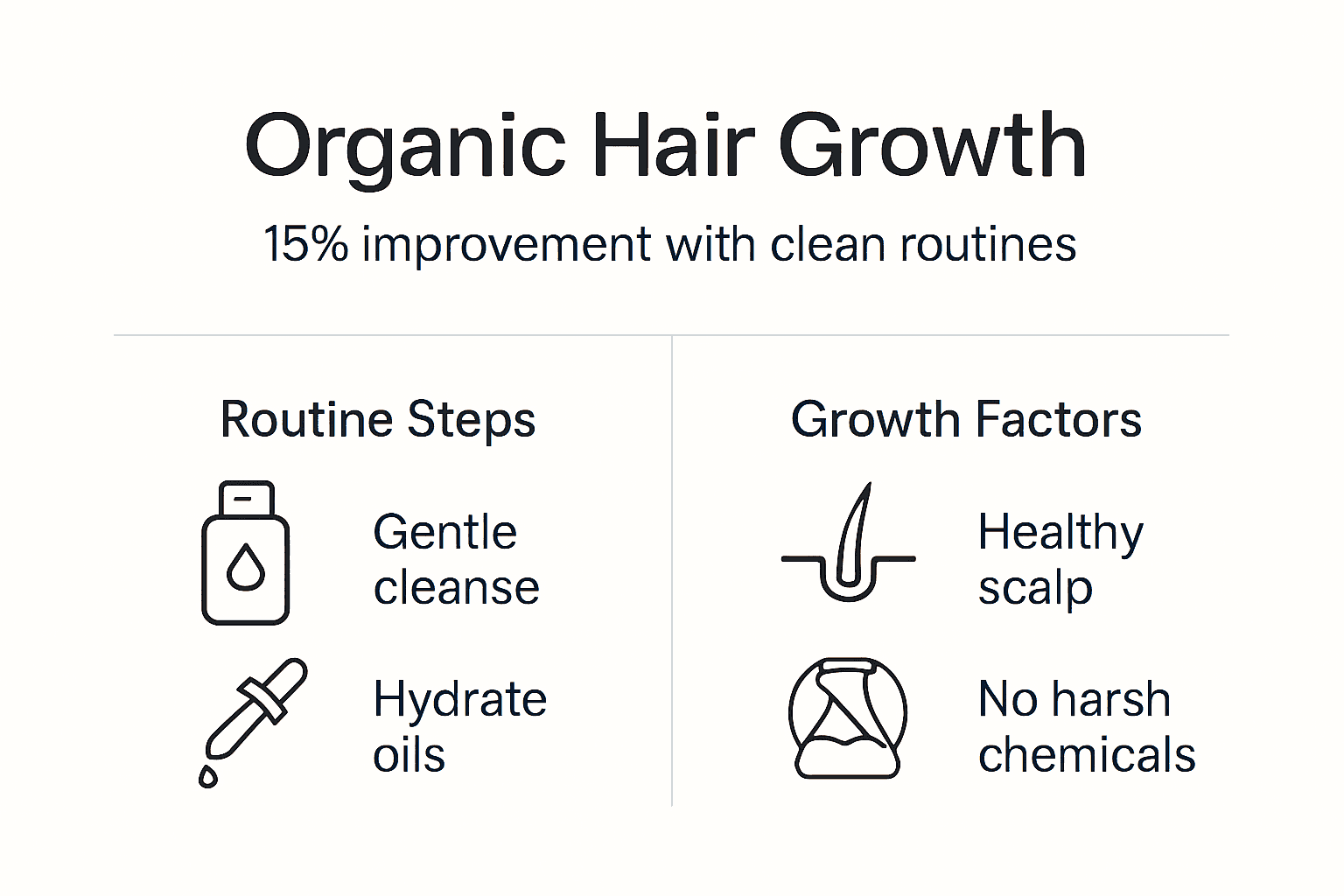
Understanding organic hair care benefits helps you recognize why ingredient quality matters for long-term hair health. The hair hydration importance extends beyond appearance to the structural integrity of each strand.
Sulfates in hair care strip natural oils from the scalp and hair, leading to dryness and weakening of hair follicles. Research shows sulfates reduce scalp moisture by up to 70% compared to sulfate-free products. This dramatic moisture loss weakens hair follicles and can inhibit hair growth at the root level.

Parabens disrupt your scalp’s natural barrier function by interfering with its protective mechanisms. When this barrier becomes compromised, your scalp becomes more vulnerable to inflammation and irritation. Silicones create a coating on your hair that initially seems to add shine but actually prevents moisture from penetrating the hair shaft. Over time, this buildup causes scalp irritation and makes hair look dull despite the temporary glossy effect.
| Ingredient Type | Effects with Harmful Chemicals | Effects with Clean Alternatives |
|---|---|---|
| Sulfates vs. Sulfate-free | Strip 70% of scalp moisture, weaken follicles, cause dryness | Maintain 90 to 95% natural sebum levels, preserve follicle strength |
| Parabens vs. Paraben-free | Disrupt scalp barrier, increase inflammation risk | Support healthy barrier function, reduce irritation |
| Silicones vs. Silicone-free | Create impermeable coating, prevent hydration, cause buildup | Allow moisture absorption, maintain natural texture |
The impact on dryness extends beyond surface-level discomfort. When your scalp loses its natural moisture balance, hair follicles receive inadequate nourishment. This creates a domino effect where hair grows more slowly, appears thinner, and breaks more easily. Inflammation from barrier disruption can further inhibit the hair growth cycle by creating an unhealthy environment for follicle activity.
Common product ingredients that may harm your scalp environment include sodium lauryl sulfate, sodium laureth sulfate, methylparaben, propylparaben, dimethicone, and cyclomethicone. Reading labels carefully and choosing organic vs natural hair products helps you avoid these damaging substances.
Organic oils and plant extracts hydrate the scalp and promote follicle activity in ways synthetic ingredients cannot match. Natural oils and plant extracts improve scalp hydration and can increase hair growth rate by promoting a healthier scalp environment. Studies demonstrate these ingredients can increase follicle density by up to 15% when used consistently.
Sulfate-free, paraben-free, and silicone-free products work differently than conventional formulas. Sulfate-free cleansers maintain sebum levels within 90 to 95% of natural scalp oil versus under 60% with sulfate shampoos. This preservation of natural oils means your scalp stays balanced and your hair retains its protective coating.
Organic formulations create ingredient synergy that enhances both hydration and scalp protection. Plant-based oils like jojoba closely mimic your natural sebum composition. Botanical extracts provide antioxidants that reduce oxidative stress on hair follicles. These components work together to create an optimal environment for healthy hair growth.
Key benefits of organic product principles include:
Pro Tip: Choose products with certified organic ingredients backed by research for best efficacy. Look for third-party certifications that verify ingredient purity and farming practices. Understanding natural hair hydrators benefits helps you select formulas that deliver measurable improvements in hair health.
Myth: Washing hair daily is necessary for cleanliness and health. Reality: Individuals washing hair daily with harsh shampoos showed 40% higher scalp dryness and 25% slower hair growth than those washing 2 to 3 times weekly with mild products. Your scalp needs time between washes to regulate its natural oil production and maintain moisture balance.
Myth: Organic oils clog scalp pores and cause buildup. Reality: Jojoba oil mimics natural sebum composition so closely that it actually helps regulate oil production rather than clogging pores. This oil reduces scalp inflammation and enhances hydration by working with your body’s natural processes. Other lightweight organic oils like argan and grapeseed absorb quickly without leaving heavy residue.
Myth: Silicone products enhance shine without consequences. Reality: Silicone creates temporary shine by coating hair strands, but this buildup irritates the scalp and dulls hair over time. The coating prevents moisture from penetrating hair shafts, leading to progressively drier, more brittle strands beneath the glossy surface. Once you stop using silicone products, hair often appears worse than before you started.
Washing frequency matters significantly for scalp health. Your scalp adjusts its oil production based on how often you wash. Daily washing with harsh products triggers overproduction of sebum as your scalp tries to compensate for stripped oils. Washing 2 to 3 times weekly with mild, organic cleansers allows natural regulation.
Careful selection of beneficial organic oils prevents misconception-based avoidance of these powerful ingredients. Not all oils behave the same way. Lightweight options like jojoba, argan, and grapeseed suit most hair types without causing greasiness. Heavier oils like coconut work better for very dry or coarse hair textures. Exploring organic vs natural products clarifies these distinctions.
Follow these steps consistently to maximize hair growth and hydration using clean, organic products:
Wash hair 2 to 3 times weekly with sulfate-free, paraben-free, silicone-free shampoos to minimize oil stripping. This frequency allows your scalp to maintain its natural protective barrier while still removing dirt and buildup effectively. Focus shampooing on your scalp rather than hair lengths, using gentle circular motions.
Apply organic conditioners rich in natural oils after washing to hydrate and nourish. Concentrate conditioner on mid-lengths and ends where hair is oldest and driest. Leave conditioner on for 2 to 3 minutes to allow nutrients to penetrate the hair shaft. Rinse thoroughly with cool water to seal the hair cuticle.
Use weekly deep hydration treatments with shea butter or aloe vera based masks. Apply these intensive treatments to damp hair after shampooing, covering from roots to ends. Leave masks on for 15 to 20 minutes under a shower cap to enhance absorption. These treatments replenish moisture that daily environmental exposure depletes.
Perform regular scalp massages with organic oils like jojoba or argan to stimulate blood flow and follicle activity. Warm a small amount of oil between your palms and massage into your scalp using firm, circular motions for 5 to 10 minutes. This practice increases nutrient delivery to hair follicles and helps regulate natural oil production.
Pro Tip: Gradually adjust washing frequency to avoid scalp shock and maintain routine consistency. If you currently wash daily, reduce to every other day for two weeks before moving to twice weekly. This gradual transition prevents the temporary oiliness that makes people abandon clean routines prematurely.
Each step has specific rationale rooted in scalp and hair biology. Gentle cleansing preserves the acid mantle that protects against bacteria and irritation. Organic conditioning replaces moisture without synthetic coating. Deep treatments address cumulative damage from heat styling and environmental stressors. Scalp massage enhances circulation that follicles need for optimal growth.
Detailed guidance in the organic hair care routine guide and organic hair care checklist provides structure for implementation. Following healthy hair care steps reduces damage by 40% and increases hydration by 30%.
Avoiding sulfates, parabens, and silicones preserves your scalp’s natural oils and hydration, creating the foundation for healthy hair growth. These chemicals strip away protective sebum, disrupt barrier function, and prevent moisture absorption despite temporary cosmetic benefits. Clean hair routines work with your body’s natural processes rather than against them.
Science-backed evidence demonstrates how organic oils improve follicle density and hair growth through multiple mechanisms:
Common pitfalls like over-washing and misconceptions about oils prevent many people from achieving their hair health goals. Daily washing with harsh products increases dryness by 40% and slows growth by 25%. Natural oils like jojoba actually regulate sebum production rather than clogging pores when chosen and applied correctly.
Commitment to a consistent, gentle, and well-informed hair care routine yields visible improvements within 4 to 6 weeks. Wash 2 to 3 times weekly with sulfate-free products, condition with organic formulas, apply weekly deep hydration masks, and massage your scalp regularly with lightweight organic oils. Track your progress through photos and notes to stay motivated as your hair transforms.
Your journey to healthier, more vibrant hair starts with choosing products that align with clean hair routine principles. Mana del Cielo by Nashaly offers certified organic, chemical-free hair care products specifically formulated to deeply hydrate while promoting growth and shine.

Explore our organic hair care routine guide for detailed steps tailored to your hair needs. Our hydrating shampoo and conditioner are free of salt, parabens, sulfates, and silicone, preserving your scalp’s natural moisture balance. Complete your routine with our hair oil treatment featuring organic oils that nourish follicles and stimulate growth. Take action today to achieve the hydrated, healthy hair you deserve with solutions backed by science and free from harmful chemicals.
A clean hair routine uses chemical-free, hydration-preserving hair care products that focus on scalp health rather than harsh cleansing. This approach avoids sulfates, parabens, and silicones that strip natural oils, instead using organic ingredients that work with your body’s natural moisture regulation. The routine emphasizes gentle cleansing 2 to 3 times weekly, deep hydration treatments, and scalp nourishment to promote hair growth and lasting shine.
Wash your hair 2 to 3 times weekly with sulfate-free shampoo to maintain optimal scalp moisture and oil balance. Daily washing strips natural sebum that protects and nourishes your hair, leading to increased dryness and slower growth. Adjust frequency based on your activity level and hair type, but avoid washing more than every other day even if you exercise regularly.
Organic oils like jojoba and argan actively promote hair growth by improving scalp hydration and increasing follicle density by up to 15%. These lightweight oils mimic natural sebum, so they regulate oil production rather than causing greasiness when applied in appropriate amounts. Focus application on your scalp with massage to stimulate blood flow, using only a few drops warmed between your palms.
Pairing sulfate-free shampoo with regular conditioner containing silicones undermines your clean routine benefits because silicones coat hair and prevent moisture absorption. Choose conditioners free of silicones, parabens, and sulfates to maintain consistency in your chemical-free approach. Organic conditioners with natural oils and plant extracts complement sulfate-free cleansing by delivering deep hydration without synthetic buildup.
Most people notice improved hair texture and scalp comfort within 2 to 3 weeks of starting a clean routine. Visible changes in hair growth rate and density typically appear after 4 to 6 weeks of consistent practice. Initial adjustment may include temporary oiliness as your scalp recalibrates oil production, but this phase passes quickly if you maintain the routine without reverting to harsh products.
WhatsApp: 347-241-9558


 USD
USD EUR
EUR
 AUD
AUD
 GBP
GBP
 JPY
JPY
 INR
INR