Total: $0.00
Taxes and shipping calculated at checkout


Time to shop! Find your favorite product, check the latest collection & don’t miss out the best discounts!


Maintaining truly hydrated hair remains one of the biggest challenges for those seeking natural, organic hair care solutions. Curly and textured hair types face unique moisture retention obstacles due to their structural makeup, often losing moisture faster than straight hair in identical conditions. This guide delivers science-backed, actionable tips for achieving and maintaining deep hydration using proven natural ingredients and daily practices. You’ll discover which organic components genuinely work, how to build an effective routine, and which product combinations deliver lasting shine and health for your hair.
| Point | Details |
|---|---|
| Structural moisture loss | Curly hair loses up to 50% more moisture than straight hair due to its coiled shape |
| Proven ingredient power | Panthenol improves hair smoothness by 30% within four weeks of consistent use |
| Cuticle barrier protection | A closed, smooth cuticle prevents water loss and locks in internal moisture effectively |
| Ingredient over marketing | Scientific efficacy of natural components matters far more than promotional claims |
| Routine consistency wins | Daily hydrating practices with quality organic products deliver the best long-term results |
The science behind hair hydration reveals why some hair types struggle more than others to maintain moisture. Curly hair can lose up to 50% more moisture than straight hair in the same environment. This dramatic difference stems from structural factors unique to curly and textured hair.
Curly hair’s coiled structure creates air pockets and limits natural oil distribution, leading to quicker moisture loss. The bends and curves in each strand prevent sebum from traveling smoothly from root to tip, leaving ends particularly vulnerable to dryness. Straight hair allows oils to coat strands evenly, creating a natural protective barrier that curly hair simply cannot replicate without intervention.
The cuticle layer plays a critical role in moisture retention for all hair types. Maintaining a smooth, closed cuticle barrier prevents transepidermal water loss and shields internal moisture. When cuticles lift or become damaged, water escapes rapidly through the hair shaft, leaving strands brittle and dull.
Understanding these biological realities helps you make informed choices about why hydrate curly hair needs specialized attention. Your hydration strategy must address both the structural challenges of your hair type and the need to repair and protect the cuticle barrier. This knowledge transforms how you evaluate products and build your routine.
“The cuticle acts as your hair’s first line of defense against moisture loss. When compromised, even the best hydrating ingredients cannot compensate for the constant water escape through damaged pathways.”
Key factors impacting your hair’s ability to retain moisture include:
Natural ingredients vary dramatically in their ability to deliver genuine hydration benefits. Clinical trials show a 30% improvement in hair smoothness after four weeks of using Panthenol (Pro-Vitamin B5). This ingredient penetrates the hair shaft, binding water molecules and plumping strands from within while smoothing the cuticle surface.
Panthenol works by attracting moisture from the environment and locking it inside the hair cortex. Unlike surface-level conditioners that create temporary slip, Panthenol delivers structural improvements that accumulate over time. The molecular size allows deep penetration while its humectant properties ensure continuous moisture attraction even in dry conditions.
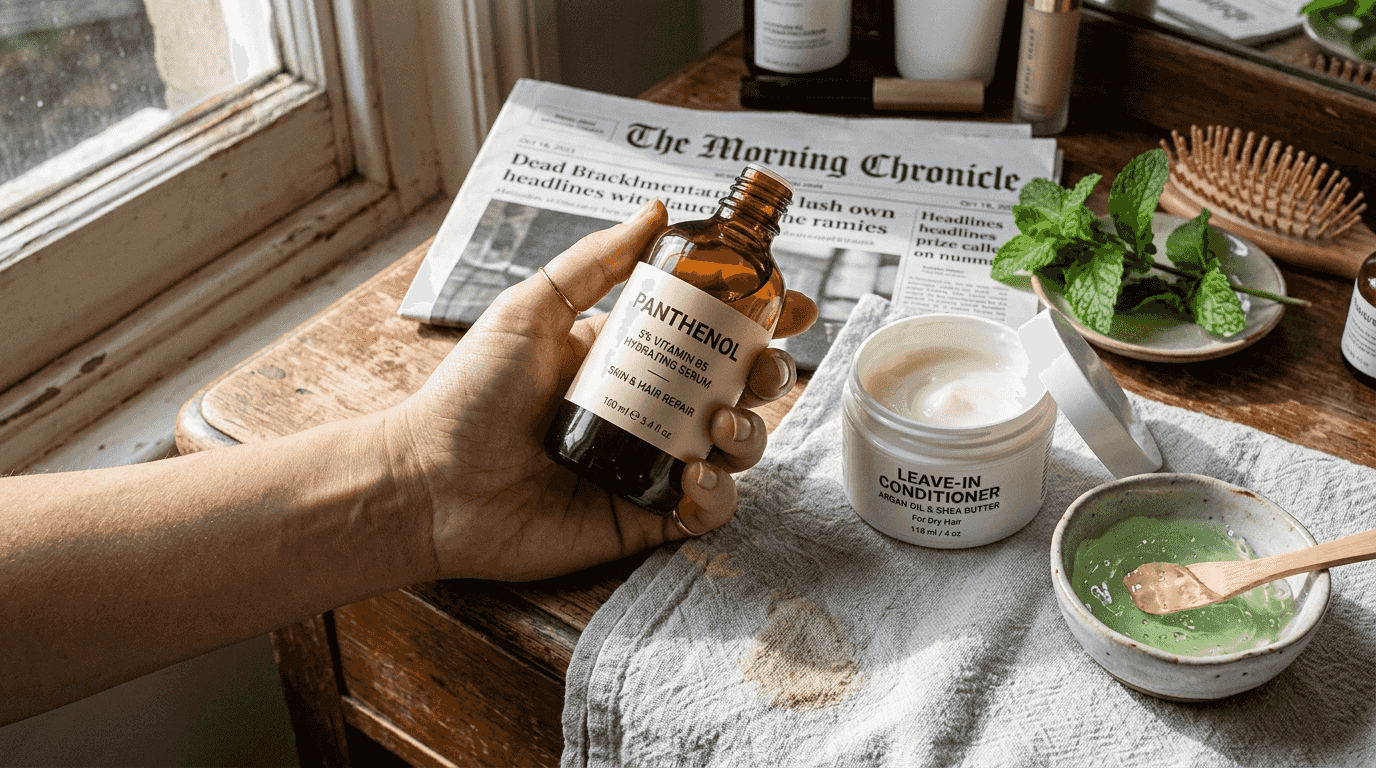
Other proven natural hydrators include glycerin, aloe vera, honey, and plant-based oils like argan and jojoba. Glycerin functions as a powerful humectant, drawing water into hair strands. Aloe vera provides both moisture and soothing properties that calm irritated scalps while delivering hydration. Honey offers antibacterial benefits alongside its moisture-binding capabilities.
Choosing organic products for curly hair requires looking beyond marketing claims to ingredient lists. Effective hydration hinges on ingredient efficacy, not just marketing appeal. Products loaded with silicones may feel smooth initially but create buildup that prevents genuine moisture penetration over time.
| Ingredient | Primary Benefit | Hair Type Suitability | Application Frequency |
|---|---|---|---|
| Panthenol (Pro-Vitamin B5) | Smoothness and internal hydration | All types, especially damaged | Daily |
| Glycerin | Moisture attraction and retention | Normal to dry, avoid in high humidity | Daily to weekly |
| Aloe Vera | Soothing hydration and scalp health | All types, particularly sensitive scalps | 2-3 times weekly |
| Argan Oil | Sealing moisture and adding shine | Medium to thick hair | 2-4 times weekly |
| Jojoba Oil | Mimics natural sebum, balances moisture | All types, especially oily roots | 1-3 times weekly |
Pro Tip: Layer hydrating ingredients for maximum benefit. Start with water-based humectants like Panthenol in your shampoo and conditioner, then seal with a small amount of natural oil on damp hair. This layering technique traps moisture inside while creating a protective barrier against environmental moisture loss.
Quality essential hair treatment products combine multiple proven ingredients in formulations designed for synergistic effects. Look for products free from sulfates, parabens, and silicones that can interfere with natural moisture balance.
Your daily routine determines long-term hydration success more than any single product. Building habits that protect and enhance moisture creates cumulative benefits that transform hair health over weeks and months.
Start with a hydrating shampoo suited to your hair type. Cleanse your scalp 2-3 times weekly with sulfate-free formulas that remove buildup without stripping natural oils. Massage gently to stimulate circulation while avoiding harsh scrubbing that lifts cuticles.
Follow every shampoo with a moisturizing conditioner. Focus application from mid-length to ends where dryness concentrates. Leave conditioner on for 3-5 minutes to allow ingredients like Panthenol to penetrate fully before rinsing with cool water to seal cuticles.
Incorporate weekly deep conditioning treatments. Apply a rich mask or treatment to clean, damp hair and cover with a shower cap. Heat from your scalp or a warm towel enhances ingredient absorption. Leave on for 15-30 minutes before rinsing thoroughly.
Seal moisture immediately after washing. Apply leave-in conditioner or a lightweight oil to damp hair, focusing on ends. This creates a barrier that prevents transepidermal water loss as hair dries.
Limit heat styling and always use thermal protection. High temperatures damage cuticles and evaporate moisture rapidly. When heat styling is necessary, apply a heat protectant spray and use the lowest effective temperature setting.
Protect hair while sleeping. Use a silk or satin pillowcase to reduce friction that lifts cuticles and causes moisture loss. Alternatively, wrap hair in a silk scarf or bonnet to maintain smoothness overnight.
Following a curly hair care checklist ensures you address all critical aspects of moisture maintenance. Consistency matters more than perfection. Missing a treatment occasionally won’t undo your progress, but skipping steps regularly will prevent you from seeing optimal results.
Pro Tip: Refresh mid-week moisture without full washing by spritzing hair with a mixture of water and leave-in conditioner. Scrunch gently to reactivate products and revive curl definition while adding a quick hydration boost.
Environmental factors demand routine adjustments. In dry climates or winter months, increase deep conditioning frequency and use heavier sealing oils. In humid conditions, lighter products prevent excess moisture absorption that causes frizz. Following hydrating shampoo tips helps you adapt your approach to changing conditions.
Understanding the distinct roles of different hydration products helps you build a complete routine that addresses all moisture needs. Each product type serves specific functions, and combining them strategically delivers superior results compared to relying on any single solution.
Hydrating shampoos cleanse while preserving natural moisture balance. Unlike harsh clarifying formulas, they remove dirt and buildup without stripping protective oils. Conditioners provide immediate slip and surface smoothing while delivering hydrating ingredients deeper into strands. Masks and deep treatments offer concentrated doses of moisture-binding ingredients for intensive repair.
Leave-in products extend hydration between washes, providing continuous moisture replenishment throughout the day. They typically contain lighter formulations that don’t weigh hair down while maintaining flexibility and movement. Natural oils function as sealants, creating a protective layer that locks in water-based hydration and shields against environmental moisture loss.
| Product Type | Primary Function | Best For | Application Frequency | Key Consideration |
|---|---|---|---|---|
| Hydrating Shampoo | Gentle cleansing with moisture preservation | All hair types, especially dry or curly | 2-3 times weekly | Avoid sulfates and harsh detergents |
| Moisturizing Conditioner | Immediate smoothing and hydration delivery | Daily or every wash | After each shampoo | Focus on mid-lengths to ends |
| Deep Conditioning Mask | Intensive moisture repair and cuticle smoothing | Damaged, very dry, or chemically treated hair | Weekly to bi-weekly | Use heat to enhance penetration |
| Leave-In Conditioner | Continuous moisture maintenance | All types needing daily refresh | Daily or as needed | Choose weight appropriate to hair density |
| Natural Oils (Argan, Jojoba) | Sealing moisture and adding protective barrier | Medium to thick hair | 2-4 times weekly | Apply to damp hair for best absorption |
Natural oils vary in molecular weight and penetration ability. Lighter oils like jojoba and grapeseed suit fine hair, absorbing quickly without residue. Heavier oils like castor and avocado benefit thick, coarse textures that need substantial sealing power. Argan oil offers middle-weight versatility suitable for most hair types.
Effective hydration hinges on ingredient efficacy, not just marketing appeal. Evaluate products based on proven ingredients and formulation quality rather than packaging claims. Products containing multiple hydrating ingredients at meaningful concentrations deliver better results than those listing beneficial components far down the ingredient list.
Exploring deep hair hydration guide resources helps you understand how different products work together. The most effective routines layer water-based hydrators first, followed by creams or lotions, and finish with oils to seal everything in. This sequence ensures each product type can perform its intended function without interference.
Protein treatments complement moisture routines for damaged hair. Ingredients like hydrolyzed keratin benefits include strengthening hair structure while supporting moisture retention. Balance protein and moisture based on your hair’s current condition, adjusting ratios as needs change.
Key selection criteria for hydration products:
Now that you understand the science and strategies behind effective hair hydration, finding products that deliver on these principles becomes essential. Mana del Cielo offers organic formulations specifically designed to address the moisture challenges facing natural and curly hair types.
Our hydrating shampoo & conditioner duo combines Panthenol with other proven natural ingredients to cleanse gently while locking in moisture. Free from salt, parabens, sulfates, and silicone, these formulas respect your hair’s natural balance while delivering the deep hydration curly hair craves.

The hydrating conditioner works as a standalone treatment or paired with the shampoo, providing concentrated moisture that smooths cuticles and enhances shine. For intensive repair needs, our repairing hair treatment delivers targeted restoration that complements your daily hydration routine. Each product leverages ingredients proven to improve hair smoothness and moisture retention, supporting your journey toward naturally healthy, hydrated hair.
Hydrate your hair with a quality shampoo and conditioner 2-3 times weekly, adjusting based on your activity level and hair type. Apply leave-in products daily or as needed to maintain moisture between washes. Understanding why hydrate curly hair requires consistent attention helps you stay committed to regular care.
Yes, applying natural oils to damp hair delivers better results than application to dry strands. Water allows oils to spread more evenly and seal moisture inside rather than sitting on the surface. Use a small amount and distribute thoroughly from mid-length to ends for optimal absorption.
Increase deep conditioning frequency to weekly, use heavier sealing oils, and consider a humidifier in your bedroom. Protective styles like braids or twists reduce moisture loss from environmental exposure. Following a comprehensive curly hair care checklist ensures you address all moisture retention factors.
Panthenol benefits all hair types, though results may appear more dramatic on damaged or very dry hair. Fine hair sees improved body and smoothness, while thick or curly hair experiences enhanced moisture retention and reduced frizz. Consistent use over four weeks reveals the full range of benefits.
Sealing damp hair with leave-in products, sleeping on silk or satin, limiting heat styling, and drinking adequate water support optimal hydration. Gentle handling that minimizes cuticle damage preserves moisture pathways. Small consistent actions compound into significant improvements over weeks and months.
WhatsApp: 347-241-9558


 USD
USD EUR
EUR
 AUD
AUD
 GBP
GBP
 JPY
JPY
 INR
INR