Total: $0.00
Taxes and shipping calculated at checkout


Time to shop! Find your favorite product, check the latest collection & don’t miss out the best discounts!


Think hydrated hair just means adding water? The reality is far more complex and fascinating. The interaction between water molecules and hair proteins involves intricate structural changes that determine whether your locks look vibrant or lifeless. Many people unknowingly damage their hair by misunderstanding these dynamics, applying the wrong products, or handling wet hair improperly. This article cuts through the confusion, revealing the science behind hair hydration and providing actionable organic care strategies. You’ll discover how to distinguish dry from dehydrated hair, which natural ingredients truly work, and how to protect your hair’s strength while maximizing shine and growth.
| Point | Details |
|---|---|
| Hydration changes hair bonds | Water breaks and reforms temporary hydrogen bonds in hair proteins, affecting strength and flexibility |
| Dry differs from dehydrated | Dry hair lacks oils and needs lipids, while dehydrated hair lacks water and needs humectants |
| Natural ingredients work | Fenugreek and plant-based actives improve scalp barrier and moisture retention effectively |
| Wet hair needs gentle care | Handle wet hair carefully since fewer bonds make it fragile, not the water itself |
| Sealing moisture matters | Combining hydration with occlusives creates lasting moisture retention for healthy shine |
Your hair’s relationship with water goes far beyond simple absorption. Water’s interaction with hair involves breaking and reforming temporary bonds within the protein structure, fundamentally altering how your strands behave. These hydrogen bonds hold the hair’s shape and provide mechanical strength. When water molecules penetrate the hair shaft, they disrupt these bonds, making the hair more flexible but also weaker and more vulnerable to damage.
Wet hair can stretch up to 30% more than dry hair because fewer hydrogen bonds are actively holding the protein chains together. This increased elasticity might sound beneficial, but it actually makes your hair significantly more fragile. The term “hydrated hair” oversimplifies these complex molecular dynamics, leading many to believe that more water always equals healthier hair. In reality, the constant breaking and reforming of bonds during wetting and drying cycles requires careful management to prevent cumulative damage.
Curly and textured hair demonstrates these principles dramatically. The natural curl pattern loosens when wet because the hydrogen bonds that maintain the curl structure temporarily break apart. As the hair dries, new bonds form in whatever shape the hair takes, which is why hydrate curly hair requires specific techniques to maintain definition and minimize frizz.
Water itself doesn’t damage your hair, but the weakened state of wet hair demands gentler handling, protective products, and mindful styling practices.
Understanding these structural changes helps you make smarter decisions about when and how to manipulate your hair. The key isn’t avoiding water but recognizing that wet hair exists in a temporarily vulnerable state. This knowledge transforms how you approach washing, conditioning, and styling routines. You’ll protect your hair’s integrity while still achieving the hydration benefits that promote growth and shine.
Key considerations for managing hydration dynamics:
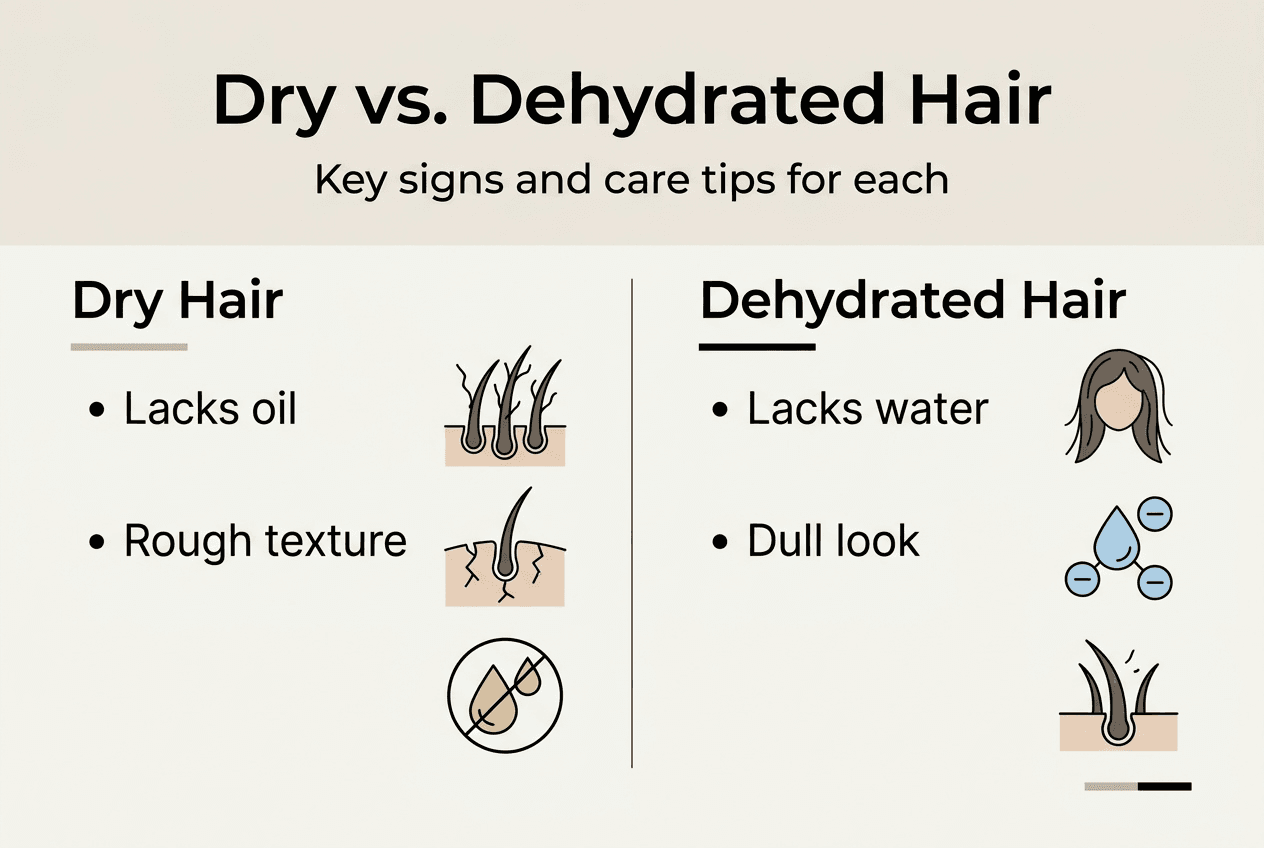
Many people struggle with persistent hair issues because they’re treating the wrong problem. Dry hair and dehydrated hair look similar but have fundamentally different causes requiring distinct solutions. Dry hair needs lipid-rich formulations, while dehydrated hair requires humectants and occlusives to maintain moisture. Confusing these conditions leads to using products that don’t address the root cause, leaving you frustrated with lackluster results.
Dry hair lacks sufficient natural oils, particularly sebum produced by your scalp. This oil deficiency means your hair can’t seal in whatever moisture it does contain. The cuticle layer remains rough and lifted, allowing water to escape rapidly. Curly and textured hair types face this challenge more intensely because sebum struggles to travel down spiral-shaped strands, leaving ends perpetually oil-starved. Without adequate lipids, even well-hydrated hair will feel brittle and look dull.
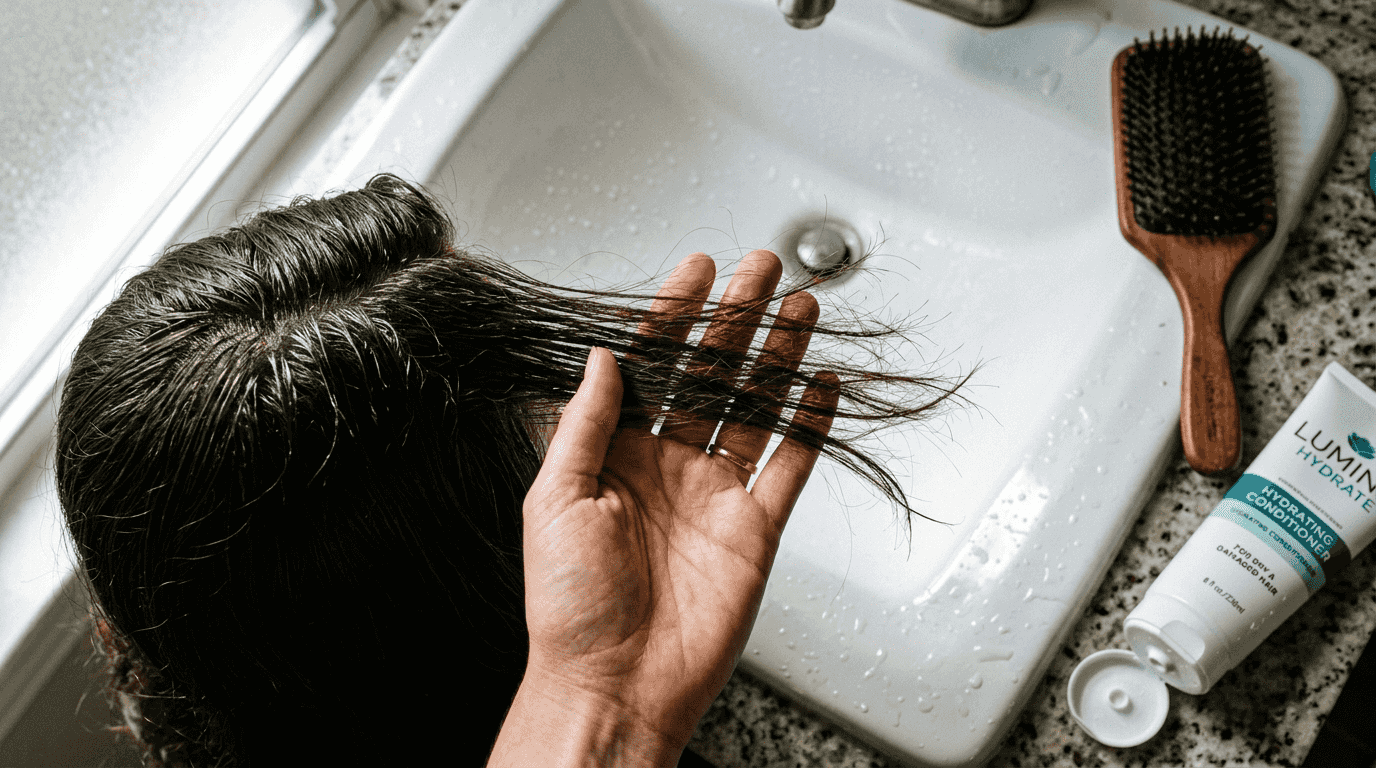
Dehydrated hair, conversely, lacks water content within the hair shaft itself. This can happen even if your scalp produces normal oil levels. Environmental factors like dry climates, heated styling tools, and chemical treatments strip water from the hair’s inner structure. The hair may feel rough or straw-like despite having some surface oil. Dehydration affects the hair’s ability to maintain elasticity and strength, making it prone to breakage and split ends.
The most effective approach addresses both conditions simultaneously. Your hair likely experiences some degree of both dryness and dehydration, especially if you use heat styling or live in challenging climates. Hydrated hair tips emphasize combining water-attracting ingredients with oil-based sealants to create a complete moisture barrier. This dual strategy ensures water enters the hair shaft and stays there.
| Condition | Primary Cause | Symptoms | Treatment Focus | | — | — | — | | Dry Hair | Insufficient natural oils | Rough texture, dull appearance, flyaways | Lipid-rich oils, butters, and sealants | | Dehydrated Hair | Lack of water content | Brittle feel, reduced elasticity, breakage | Humectants like glycerin, aloe, hyaluronic acid | | Combined Issues | Both oil and water deficiency | Severe dryness, damage, slow growth | Layered hydration plus sealing protocol |
Understanding your hair’s porosity level refines treatment selection further. High porosity hair absorbs water quickly but loses it just as fast, requiring heavier sealants. Low porosity hair resists water penetration, benefiting from heat during deep conditioning to open the cuticle. Medium porosity hair balances these characteristics, responding well to moderate treatments.
Pro Tip: Perform a simple float test to assess porosity. Place a clean strand in water. If it sinks quickly, you have high porosity. If it floats, you have low porosity. This knowledge helps you choose products with the right molecular weight and application techniques for optimal absorption.
The shift toward organic hair care isn’t just a trend but a response to growing evidence that plant-based ingredients deliver real results. Fenugreek’s galactomannans improve moisture retention and scalp barrier function, making it a powerhouse for both hydration and hair growth. These polysaccharides form a protective film on the hair surface, reducing water loss while supporting the scalp’s natural protective mechanisms. Fenugreek also contains proteins and nicotinic acid that stimulate hair follicles and improve circulation.
The cosmetic industry is experiencing a major transformation as plant-based ingredients gain prominence due to consumer demands for safety and sustainability. Synthetic alternatives often come with concerns about long-term scalp health and environmental impact. Plant-derived actives offer multifunctional benefits, addressing hydration, strengthening, and growth simultaneously without harsh side effects. This convergence of efficacy and safety makes organic formulations increasingly attractive to health-conscious consumers.
Several natural ingredients stand out for their scientifically-validated hydration benefits:
Topical applications using these plant extracts show measurable improvements in hair thickness, growth rate, and moisture retention. Unlike systemic treatments that may take months to show effects, topical organic treatments deliver visible results within weeks. The key lies in consistent application and choosing formulations that combine complementary ingredients for synergistic effects. Vegan hair products boost hydration by leveraging these natural synergies without animal-derived ingredients that some consumers prefer to avoid.
Consumers increasingly seek cosmeceutical-grade actives that bridge the gap between cosmetics and pharmaceutical efficacy. Plant-based formulations meet this demand by offering concentrated bioactive compounds with proven mechanisms of action. Ingredients like fenugreek, horsetail extract, and rosemary oil aren’t just traditional remedies but scientifically-validated treatments that support cellular processes essential for hair health.
Pro Tip: Look for products listing active ingredients in the first five components on the label. This ensures you’re getting therapeutic concentrations, not just trace amounts added for marketing purposes. Organic doesn’t automatically mean effective unless the formulation delivers adequate doses of proven ingredients.
Knowing the science matters little without practical application strategies. Wetting and drying hair repeatedly doesn’t inherently cause damage, but wet hair’s fragility requires gentle handling to prevent breakage. This distinction is crucial because many people avoid washing their hair frequently based on the misconception that water itself is harmful. The real issue is mechanical stress applied to weakened wet strands, not the hydration process itself.
Surprisingly, blow drying at low to medium temperatures often causes less damage than letting hair air dry for extended periods. Prolonged wetness keeps hair in its vulnerable state longer, increasing the cumulative time it’s exposed to friction from pillows, clothing, and environmental contact. Quick, gentle drying with proper heat protection minimizes this vulnerability window. The key is using moderate heat with continuous motion, never focusing heat on one section for too long.
Deep conditioning with heat dramatically enhances product absorption and moisture retention. Gentle warmth opens the hair cuticle slightly, allowing conditioning agents to penetrate more effectively. You can achieve this with a heated cap, warm towel wrap, or even sitting in sunlight. The combination of quality essential hair treatments and heat application transforms ordinary conditioning into intensive repair sessions.
Follow this sequential approach for optimal hydration:
Incorporating strengthening agents amplifies hydration benefits. Hydrolyzed keratin benefits include filling gaps in damaged cuticles, increasing hair’s ability to retain moisture while improving elasticity and shine. Panthenol, a provitamin of B5, penetrates the hair shaft and attracts moisture from the environment, providing lasting hydration that adapts to humidity levels.
The goal isn’t just adding moisture but creating conditions where your hair can maintain optimal hydration levels independently through proper barrier function and minimal damage.
Protective styling reduces manipulation and environmental exposure, giving your hair time to recover and retain moisture. Braids, twists, and buns minimize friction and prevent tangling that leads to breakage. However, avoid styles that create tension on the scalp or hairline, as this can damage follicles and impede growth. Refresh natural hair hydration tips by misting with water-based leave-in spray between wash days, then sealing with a light oil.
Nighttime protection matters as much as daytime care:
Putting these principles into practice becomes easier with products specifically designed for deep hydration and growth. ManadelcielobyNashaly offers hydrating shampoo & conditioner formulated without salt, parabens, sulfates, or silicone, ensuring your hair receives pure moisture without buildup or harsh stripping. These organic formulations incorporate the natural ingredients discussed throughout this article, delivering concentrated hydration that supports hair health from scalp to ends.

Their hydrating conditioner provides intensive moisture repair, ideal for deep conditioning treatments that transform dry, damaged hair. For ongoing protection, the leave-in moisturizing product seals in hydration throughout the day, maintaining the moisture balance your hair needs for strength, shine, and growth. Choosing products that align with organic, health-conscious values ensures you’re supporting your hair’s natural processes rather than fighting against them with synthetic chemicals. These specialized formulations complement the expert care strategies you’ve learned, helping you achieve the vibrant, healthy hair you deserve.
Hair dehydration results from environmental factors like dry climates, excessive heat styling, chemical treatments, and over-washing that strip moisture from the hair shaft. You can test hydration levels by stretching a strand. If it snaps immediately without stretching, it’s likely dehydrated and brittle. Properly hydrated hair stretches slightly before breaking and feels soft rather than straw-like.
Fenugreek, aloe vera, coconut oil, and shea butter rank among the most effective natural hydrators. Fenugreek improves scalp barrier function while aloe penetrates the shaft with water-binding polysaccharides. Coconut oil prevents protein loss during washing, and shea butter seals moisture with fatty acids. Combining humectants with occlusives creates the most effective hydration system.
Damage involves structural breakdown of the hair’s protein bonds and cuticle layer, often irreversible without cutting. Dehydration is temporary moisture loss that responds to proper hydration treatments. Damaged hair shows split ends, excessive breakage, and rough texture even when moisturized. Dehydrated hair improves quickly with hydrated hair tips and consistent moisture application.
Most hair types benefit from deep conditioning once weekly, though highly porous or damaged hair may need twice-weekly treatments. Fine hair might require less frequent deep conditioning to avoid weighing down strands. Listen to your hair’s response. If it feels limp or greasy, reduce frequency. If it remains dry and brittle, increase treatments or extend processing time with gentle heat.
True over-hydration is rare, but using too many water-based products without proper sealing can lead to hygroscopic hair that swells and contracts excessively with humidity changes. This causes frizz and potential weakening over time. The solution is balancing humectants with occlusives, ensuring you seal moisture rather than just adding it. Protein treatments periodically help maintain structure alongside hydration for optimal strength and elasticity.
WhatsApp: 347-241-9558


 USD
USD EUR
EUR
 AUD
AUD
 GBP
GBP
 JPY
JPY
 INR
INR